Charles’s Triumph: Changing Minds, Saving Lives Through Healthy Circumcision.
In the rolling hills of Serengeti District, where tradition runs deep and community bonds are strong, Charles Mwita Ketoka walks a careful path. As a clinical officer and a respected member of the Kurya tribe, Charles knows how hard it can be to talk about health when it touches sacred customs. But he also knows lives are at stake.
Charles had seen the quiet toll of HIV in his community how it chipped away at families and futures. So when the Afya Kamilifu project came to Mara Region, he made a choice. He wouldn’t just treat illness he would help prevent it.
“I saw how HIV was affecting my people,” Charles says. “And I knew we had to talk about one of the things that could really help safe, healthy circumcision.”
In the Kurya community, traditional circumcision has long been a rite of passage. But it’s often done in unsafe conditions, increasing the risk of infections, including HIV. With gentle persistence, Charles started speaking with village elders the wazee wa kimila asking for their guidance and support.
“Trust had to come first,” he says. “So I listened before I spoke. I explained that I wasn’t asking them to abandon tradition, but to help make it safer.”
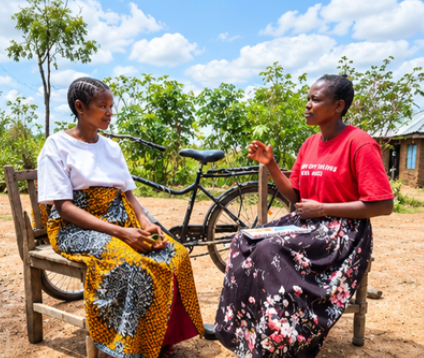
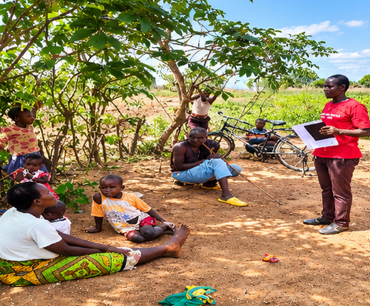
Through the training and support he received from Afya Kamilifu, Charles led educational sessions in homes, at community meetings, and under the shade of village trees. He spoke about hygiene, healing, and the importance of using sterile tools. He explained how medical male circumcision could reduce the risk of HIV transmission by up to 60%, while respecting the values of the community.
People began to listen.
“Many didn’t know that circumcision, when done safely, could be a form of protection,” Charles says. “I helped them see it not just as a cultural duty, but as a way to care for their sons and their whole families.”
As awareness grew, so did the demand for safer services. With Afya Kamilifu’s help, local health centers began offering accessible and medically safe circumcision. Word spread. More boys and young men began choosing the clinic over risky ceremonies.
Today, the community is changing.
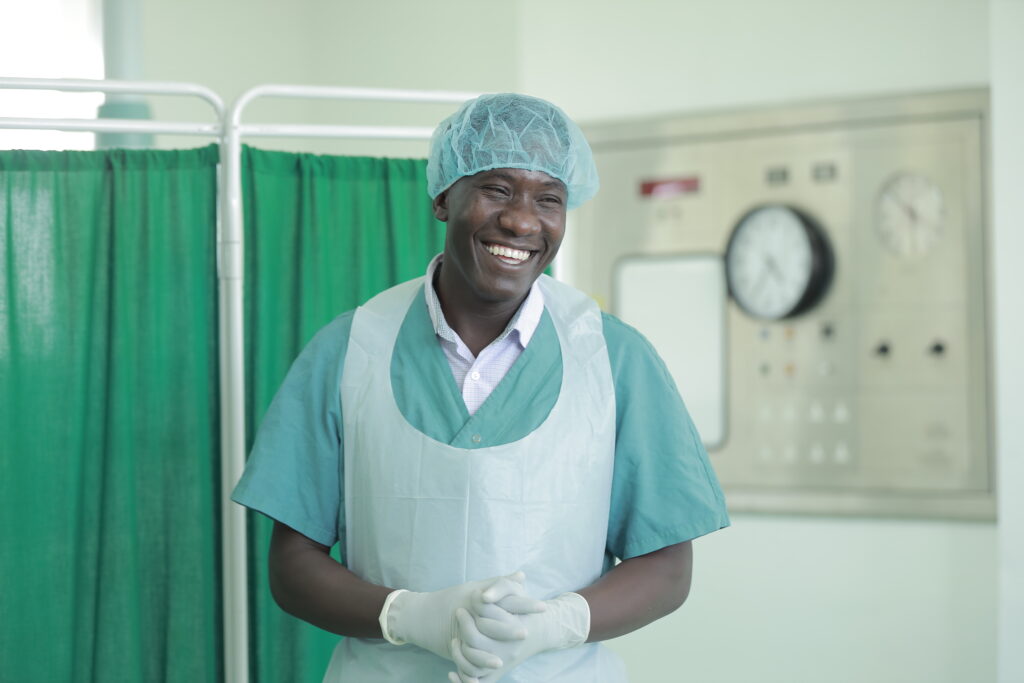
“We’ve seen fewer HIV cases. People are asking questions, showing up for care, and spreading the message,” Charles says proudly. “Healthy circumcision is no longer feared or misunderstood. It’s becoming normal and respected.”
Charles’s work shows how lasting change starts with one conversation, one open heart, one willing listener.
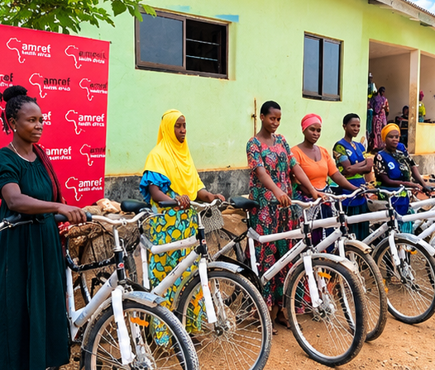
His efforts, and those of many others, were made possible through the Afya Kamilifu project implemented by Amref Health Africa in Tanzania, in partnership with UMB and TCDC, and generously supported by PEPFAR through the U.S. Centers for Disease Control and Prevention (CDC). Together, they’ve helped communities take charge of their health, without losing sight of who they are.

Communications Specialist with 7+ years in public health and development, focused on strategic storytelling and digital engagement.
Read more: https://www.linkedin.com/in/julieth-mongi-48742610b/