Hussein’s Journey: From Addiction to Advocacy, A Peer Educator Reclaims His Life
Hussein’s struggle with substance use began in 2008, marking the start of a long and painful chapter in his life. Living in Zanzibar, he faced deep isolation, declining health, and broken relationships. Each day pulled him further away from the life he once knew. “I was lost,” he says quietly. “Not just because of the drugs, but because I had lost myself.”
Everything began to change when Hussein sought help at a Medication Assisted Treatment (MAT) at Kidongo Chekundu clinic in 2021 after 18 years of drug use, that search for pleasure turned into a source of suffering and hardship. “I lost many important aspects of my life, including:
• My job at a fish farm, where I had been employed under the son of a government minister at the time
• Trust and respect within my community
• My wife, children, and close relatives”
For all those years, I struggled with addiction without receiving any form of treatment.
Eventually, I came into contact with a civil society organization called ZAYADESA, which provided me with education and awareness about drug addiction and available treatments. Through their support, I learned about Opioid Agonist Therapy (OAT), and after one month, I was referred to the OAT clinic where I enrolled in treatment and remained on methadone for four years, successfully completing the program.
Through the clinic’s support, Hussein began methadone treatment a safe, evidence-based medication that reduces cravings and withdrawal symptoms. It also significantly lowers the risk of acquiring HIV, especially among people who inject drugs, by offering a safer alternative to injection practices.
“Taking methadone gave me stability,” Hussein says. “It gave me the chance to breathe again.” But recovery for Hussein didn’t stop at medication. With counseling, group sessions, and psychosocial support, he began to heal emotionally.
He learned new ways to manage stress, build healthy relationships, and understand his journey with compassion rather than shame.
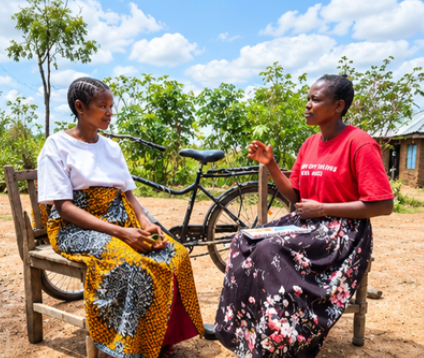
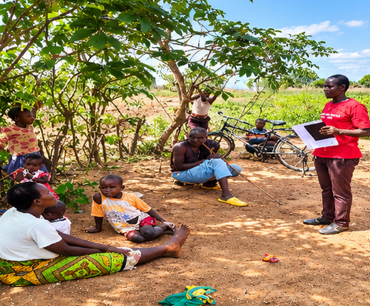
As his confidence returned, Hussein chose to give back. He joined peer-led education sessions focused on harm reduction, HIV prevention, and community support. He didn’t just attend he stepped forward to lead. “I became a peer educator because I wanted others to see what’s possible,” he explains. “I know what it feels like to be in the dark. Now I want to be a light for someone else.”
Today Hussein walks alongside others who are starting their own recovery journeys. He shares his story in community forums, mentors’ people newly enrolled at MAT, and advocates for dignity, understanding, and inclusion. He is no longer defined by his past and he is reshaping his future. “Recovery isn’t just about stopping drug use,” Hussein says. “It’s about becoming whole again and helping others believe they can too.”
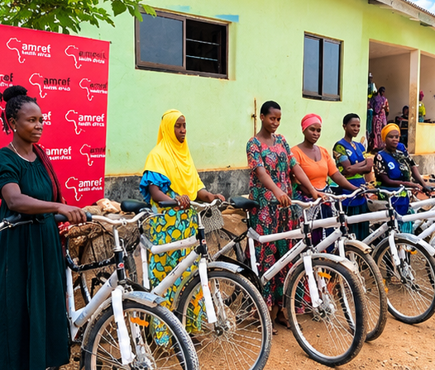
Hussein is one of many peer educators supported through the Afya Thabiti project, implemented by Amref Health Africa in Tanzania with support from the U.S. President’s Emergency Plan for AIDS Relief (PEPFAR) and the U.S. Centers for Disease Control and Prevention (CDC). With this support, individuals like Hussein are not only receiving life saving care they are becoming leaders, educators, and voices of hope in their communities.

Communications Specialist with 7+ years in public health and development, focused on strategic storytelling and digital engagement.
Read more: https://www.linkedin.com/in/julieth-mongi-48742610b/