Jafari’s Voice: “From Struggle to Strength as a Peer Educator”.
In the heart of Zanzibar, Jafari Othman (42) once faced the overwhelming weight of addiction where he started in the late 2010.
Each day blurred into the next marked by isolation, declining health, and a sense of hopelessness about what tomorrow might bring. “I was losing myself,” Jafari reflects. “Not just to drugs, but to shame, fear, and silence.”
But that silence was broken the day Jafari walked through the doors of the Medication Assisted Treatment (MAT) clinic in 2020. “They didn’t just treat me; they welcomed me. They listened,” he says, recalling the moment everything began to change. At the clinic, he found more than medication he found people who saw his worth.
Jafari’s recovery took a transformative turn when he began methadone treatment. Methadone is a long acting medication used Methadone is a long acting medication used in Medication Assisted Treatment (MAT) to support people recovering from opioid dependence. Taken daily under medical supervision, it helps reduce cravings, prevents withdrawal symptoms, and allows individuals to regain control over their lives. “It gave me structure. It gave me back my mornings, my time, my dignity,” Jafari says. As his body healed, so did his spirit. He began to believe in a future that once felt out of reach.
People who inject drugs (PWID) are among the populations most vulnerable to HIV and other blood borne infections like hepatitis. This vulnerability is often linked to sharing contaminated needles, lack of access to health services, stigma, criminalisation, and barriers to safe harm reduction programs. Without targeted support, PWID often face isolation and limited opportunities for prevention or care. Programs that integrate HIV services with harm reduction like MAT, HIV testing, and counseling are essential in protecting health and restoring dignity for individuals and communities.
But Jafari’s story doesn’t end with his own recovery it expands with his decision to uplift others.
“I became a peer educator because I know how it feels to be unseen, and I wanted others to feel visible, valued,” he shares.
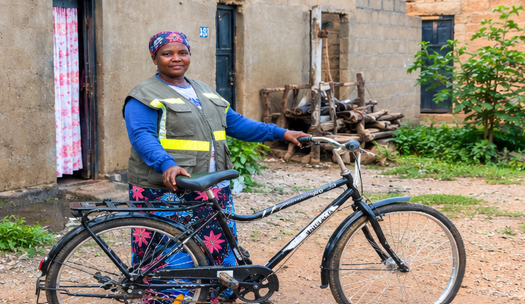
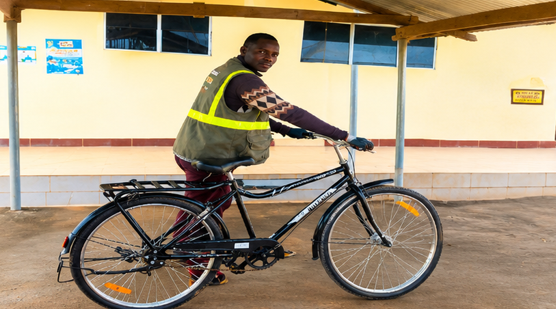
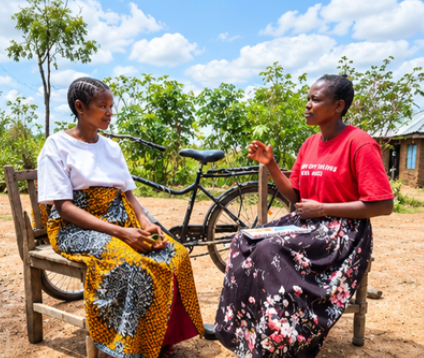
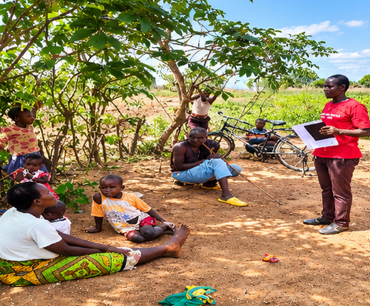
With training, mentorship, and consistent support, Jafari stepped into leadership. He now leads peer support groups, offers counseling to people who inject drugs (PWID), and speaks openly in his community about the importance of compassion, harm reduction, and second chances. His presence alone challenges stigma.
“I tell people, ‘You’re not alone. If I can come back from this, so can you.’”
Every conversation Jafari has, every life he touches, echoes his deep commitment to walking with others on their own path to recovery.
“This work is personal. Every person I help is a reminder of how far I’ve come and how far we can all go with the right support.”
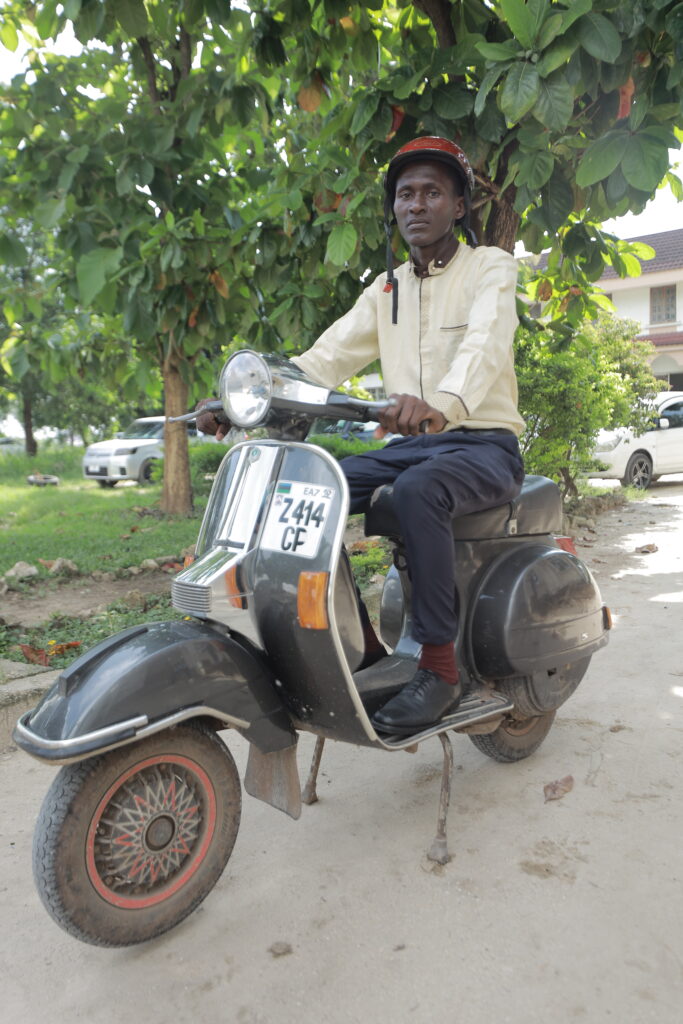
Today, Jafari is healthier and helping others through their recovery. “Recovery is real. Hope is real. And when we support each other, everything changes,” he says.
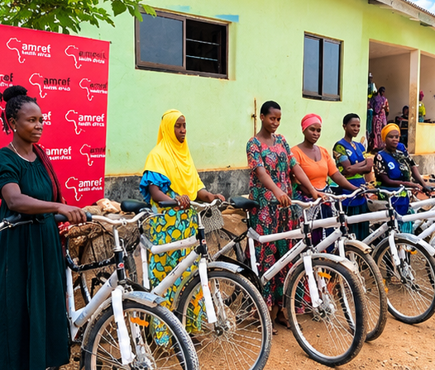
His journey has been supported through the Afya Thabiti project, implemented by Amref Health Africa in Tanzania with funding from PEPFAR and the U.S. CDC Tanzania.

Communications Specialist with 7+ years in public health and development, focused on strategic storytelling and digital engagement.
Read more: https://www.linkedin.com/in/julieth-mongi-48742610b/