Sheikh Miraji’s Compassionate Leadership: Integrating HIV Testing into Faith Practices.
In Tanga, within the warm circle of the Muslim community, Sheikh Mohamed Miraji quietly led a powerful transformation. As a project manager for Afya Kamilifu, he believed that health and faith were not separate they were partners in healing and hope.
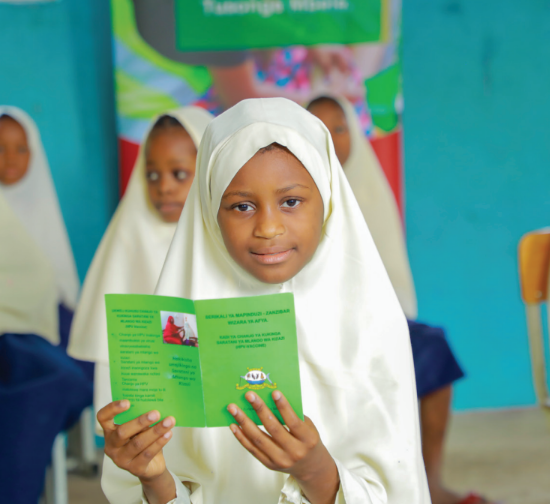
He began by establishing an HIV testing center at Chumbageni Mosque a place once known only for prayer now opened its doors to health as well. With trained healthcare professionals, the mosque became a safe, confidential space where people could come for both spiritual and physical care.
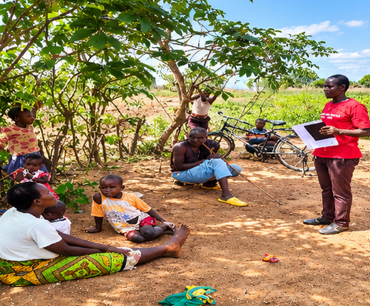
“I used my Friday sermons to talk openly about health,” Sheikh Miraji shared. “I reminded the congregation that protecting your health is also an act of faith.” After prayers, the mosque’s doors remained open not just for spiritual guidance, but also for voluntary HIV testing.
The community responded with trust. Men and women who once feared being tested started stepping forward. Myths faded. Stigma softened. Families talked. And slowly, a culture of openness around HIV began to grow.
The mosque’s success soon attracted attention. Local health providers saw the potential of blending religious spaces with health services. What began in Chumbageni became a model for others, inspiring similar efforts across Tanga.
For Sheikh Miraji, the change was more than numbers it was about dignity. “When the mosque became a place of healing, it also became a place of unity. People felt seen, supported, and stronger.”
The U.S CDC Afya Kamilifu’s project approach with support from PEPFAR proved that when you place trust in community leaders and meet people where they are, you don’t just improve access to HIV testing you restore hope.

Communications Specialist with 7+ years in public health and development, focused on strategic storytelling and digital engagement.
Read more: https://www.linkedin.com/in/julieth-mongi-48742610b/