Wealth in Waste: How the Kigilagila Group Turned Trash Into Opportunity
When Erepidius Nyerere first stepped into the overgrown corner of Kigilagila in 2018, the scene was grim: piles of garbage, broken bottles, and hidden corners where drug users sought refuge.
“Huku kulikuwepo dampo, takataka zilikuwa zimejaa… kulikuwa vichakani wanaojidunga madawa… ndo yalikuwa makao yao,” Nyerere remembers. (“There was a dump site here, full of trash… drug users lived in the bushes. That was their home.”)
But just a few years later, this very space has become the heartbeat of a growing social enterprise. Welcome to the Kigilagila Rafiki Mazingira Group, where waste is no longer a symbol of neglect it’s the foundation of opportunity.
From Trash to Transformation
Formally established in September 2018 with the support of Amref Health Africa, the Kigilagila Group is part of the transformative Taka ni Mali (Waste is Wealth) initiative. Their mission: to clean up their community and turn solid waste into livelihood and dignity.
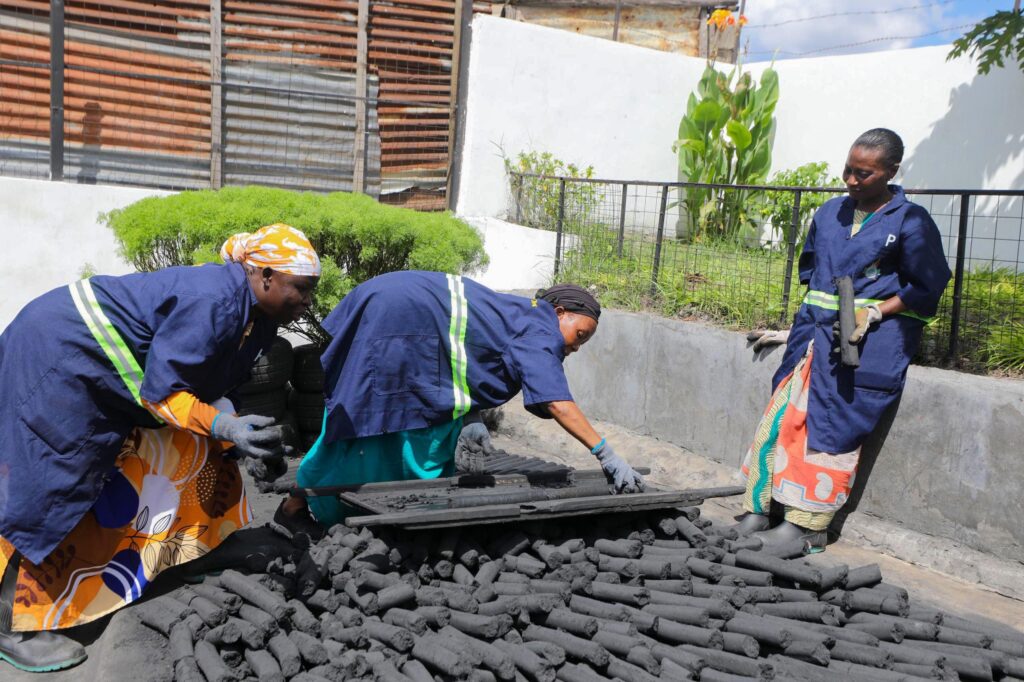
By January 2019, they had installed their first charcoal briquette making machine worth TZS 15 million through Amref’s Tanzania support. From there, things accelerated.
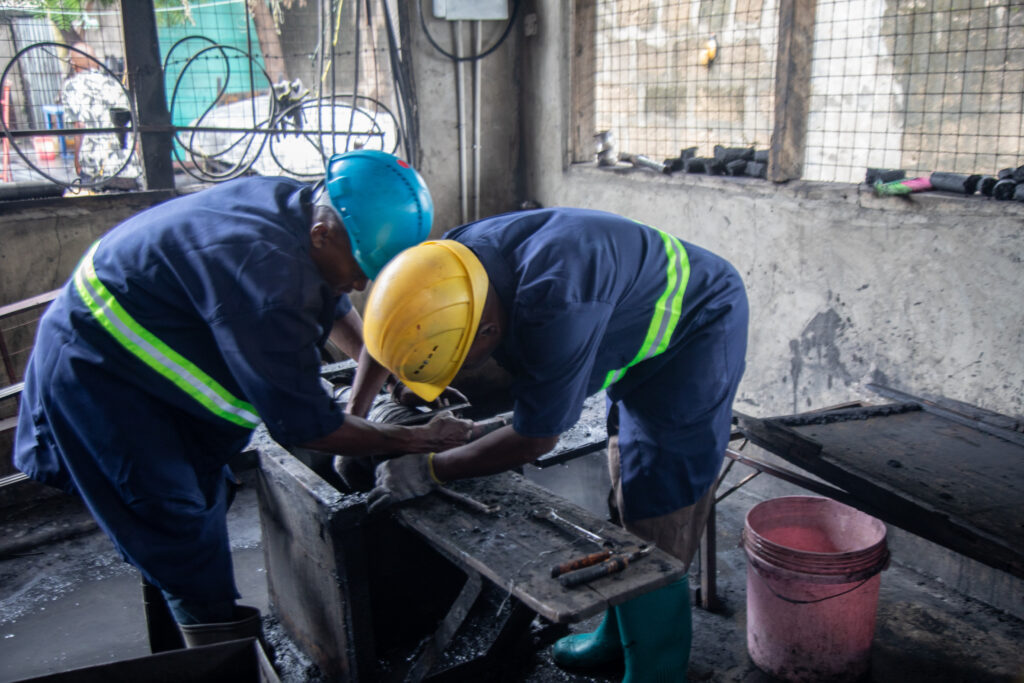
They learned to produce eco friendly briquettes made from sawdust, ash, and cassava flour providing a cleaner, safer, and more affordable alternative to traditional charcoal.
“We didn’t know taka inaweza kuleta kipato,” says Martha George, a group member. (“We didn’t know waste could generate income.”)
The briquettes burn longer, produce less smoke, and have helped reduce indoor air pollution. And they’re popular sold at about TZS 500 per kilo, the group often moves up to 200 kg a day, earning over TZS 100,000 daily.
Empowering Women and Communities
The Taka Ni Mali project has generated over 540,000 man hours of work per month, directly benefiting 162 entrepreneurs (71% widows) involved in briquette production. The initiative significantly improved income: the Kigilagila Group’s annual revenue soared from TZS 3 million in 2017 to TZS 24 million in 2023, a 700% increase.
The project’s ripple effect is clear: the number of customers and beneficiaries grew from 2,811 to 18,172 in six years a 550% growth.
“Personally, and for my family I have benefited greatly. Before I had no job, I relied on my husband’s income to sustain my family of 4 children. However, after engaging myself in the Taka Ni Mali project, I have become the provider for my family… I support myself through the work I do.” Martha George, Group Member.
“The project inspired widowed women to join together to fight against poverty. TNM brought them together and provided them with entrepreneurship skills and equipment. Now they are running businesses and supporting their families.” Juliana Masawe, CHW Kipawa.
Improving Health, Protecting the Environment
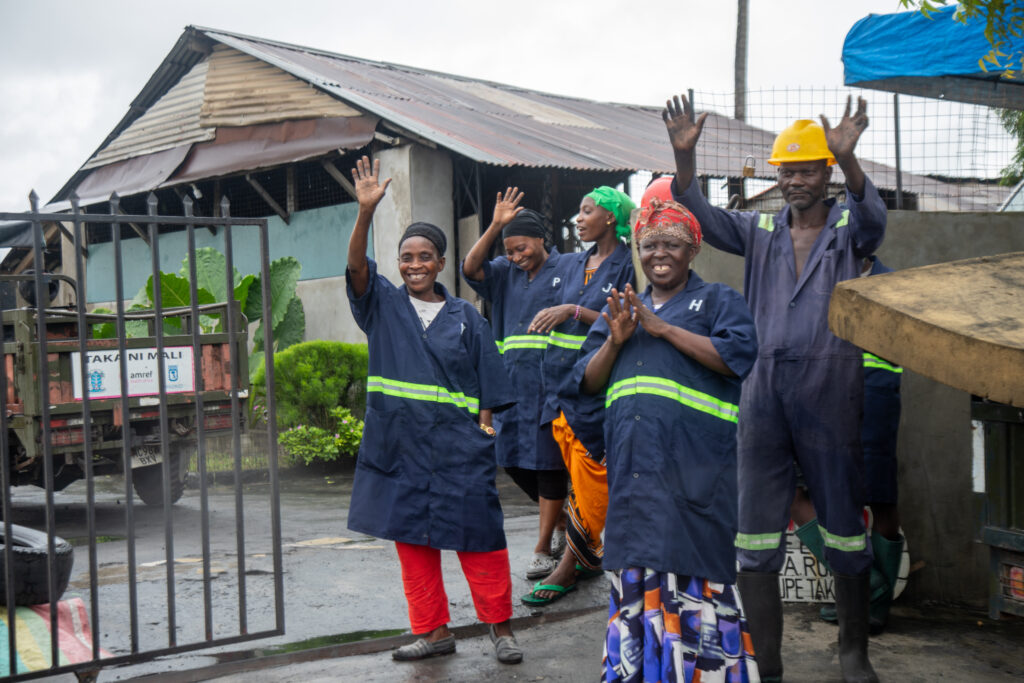
Beyond income, Taka Ni Mali is improving public health. In Ilala Municipality, the project helped reduce diarrhoea cases by 11%, eliminated cholera cases (102 to 0), and cut typhoid cases from 6,514 to 196 (2016–2022).
“Thankful to Amref. There were dirty environments and low community involvement, leading to disease outbreaks. Dengue fever and cholera are no longer a threat. TNM helped to prevent diseases and climate change and facilitated income for women and youth.” Fatuma Maduhu, Health Section
The Kigilagila initiative also reached 20,000 school children in 10 schools with improved sanitation facilities and trained communities on hygiene practices. More than 300 women and youth in five groups have improved environmental conditions for over 350,000 people, and 50% of them gained health insurance.
Tackling Climate Change with Local Solutions
Through the collection of household waste across five wards (Kiwalani, Buguruni, Kipawa, Vingunguti, and Ukonga), women groups convert 32 tons of waste into briquettes per month equivalent to 384 tons per year and 1,920 tons of wood saved, preserving nearly an acre of forest annually.
In Ilala, waste collection efficiency improved from 35% to over 90%. Households also reduced energy costs by using these high calorie briquettes.
Evidence Based Impact
The broader Taka ni Mali na Afya (Waste for Improved Livelihood and Health) project, implemented from 2020 to 2022, impacted 150,000 people across eight wards in Ilala. Its success was quantifiable:
- Waste volumes reduced from 200.3 tons/day to under 180 tons/day.
- Employment in waste-based enterprises more than doubled from 86 to 198 people.
- Waste service coverage increased by 233%, reaching over 42,000 households.
- Business revenues increased by 277%, from TZS 21.5 million (2019) to TZS 80.9 million (2021).

A Municipal Model for Replication
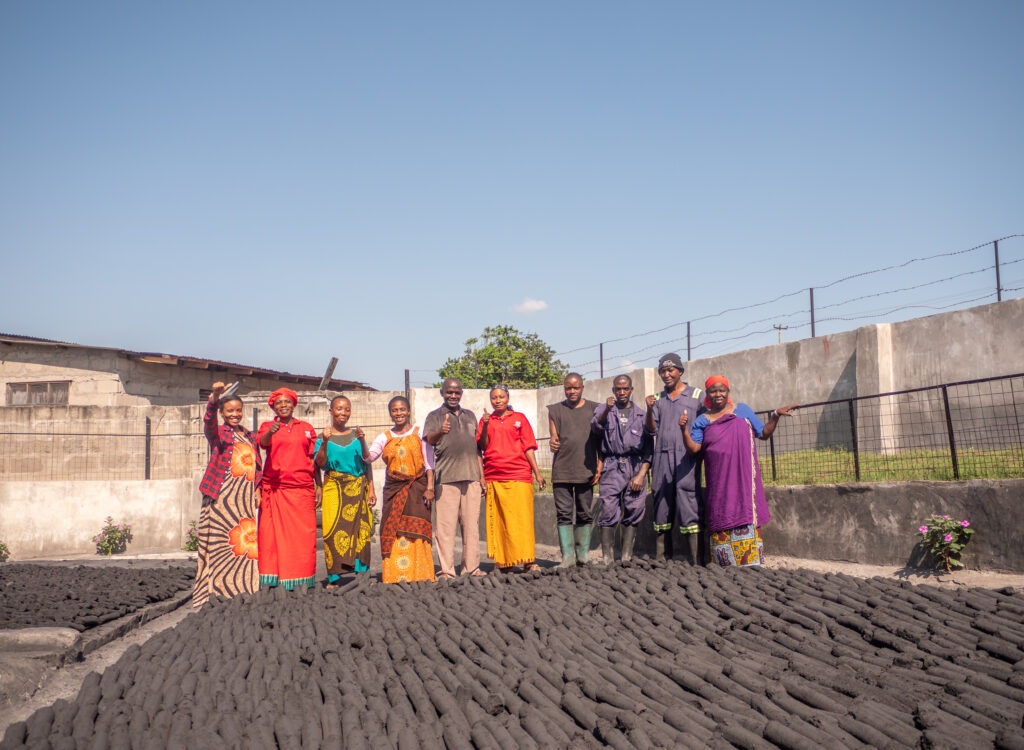
The success of the Kigilagila and other community groups triggered a policy shift: the Ilala Municipal Council updated its guidelines to officially recognize and support community based waste enterprises, especially those led by women and youth.
This initiative also catalyzed national conversations on how climate, sanitation, and poverty intersect, placing grassroots waste management at the center of sustainable urban development.
From Dumpsite to Development
What began as a neighborhood cleanup has evolved into a model for sustainable, inclusive development. Through Amref’s Tanzania Climate and WASH programming, funded by Junta de Castilla y León and implemented with the Government of Tanzania, the Kigilagila Group is now a recognized leader in waste-based entrepreneurship.
From waste, they created wealth.
From hardship, they built hope.
From Kigilagila, they sparked a movement.
Watch the journey of the Kigilagila Group here – https://youtu.be/UlETU51ACeU?si=-KtI2uz1WlU7ETlO

Communications Specialist with 7+ years in public health and development, focused on strategic storytelling and digital engagement.
Read more: https://www.linkedin.com/in/julieth-mongi-48742610b/