Luciana Michael Tito – Coordinating Change Across Communities
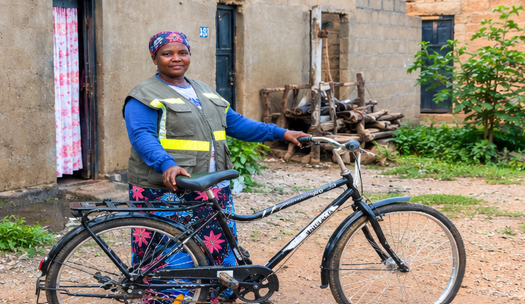
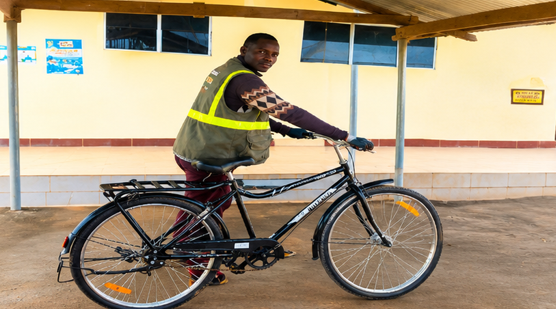
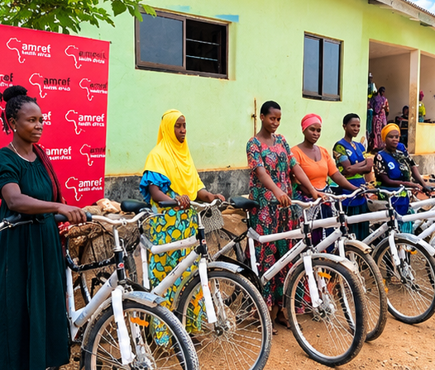
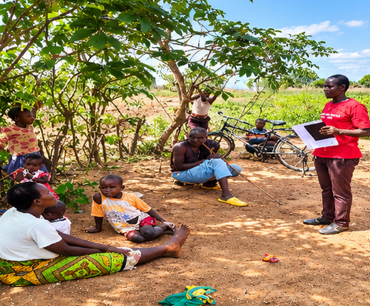
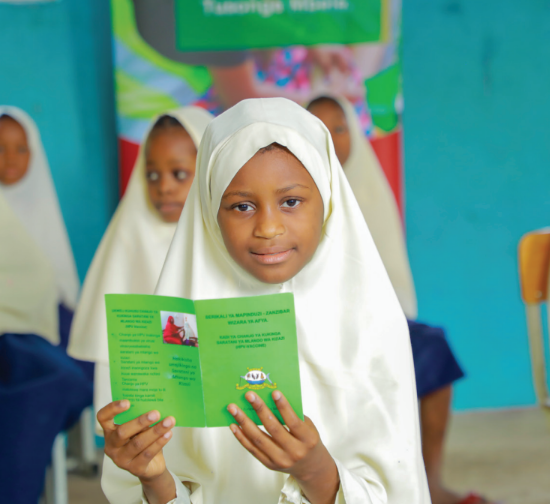
In Kwimba District, Luciana Michael Tito serves as a nurse and a community health services coordinator, overseeing a dedicated team of community health workers (CHWs) in 123 villages actively contributing to improved health outcomes in their communities. Thanks to the LEAP platform, these CHWs have received critical education, enabling them to improve the health and well-being of their communities.
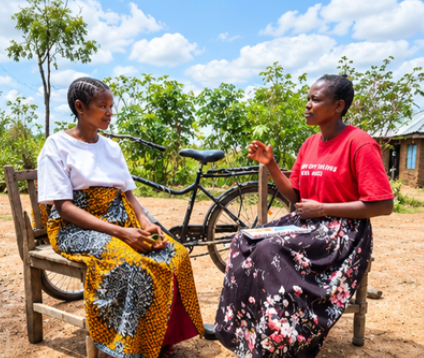
“The impact has been incredible,” Luciana reflects. “Mothers are now attending clinics early in their pregnancies, and child mortality has dropped because families are seeking care sooner.” A key achievement, she notes, is the increase in exclusive breastfeeding for the first six months of life, which is directly tied to the education and support provided by the trained CHWs.
Before the project, many pregnant women in Kwimba District rarely attended antenatal clinics. Some women would not visit a health center until they were seven or eight months pregnant, or only seek help when they went into labor. With the outreach and education provided by the CHWs, this has changed dramatically. More women are attending clinics earlier in their pregnancies, which has contributed to a significant reduction in maternal and neonatal deaths. “The situation has improved remarkably,” Luciana says, pointing to the rising numbers of women attending antenatal care, as shown in DHIS2 data.
These community health care workers also play a critical role in making referrals. They guide women to the right care, whether for themselves or their newborns, and ensure that children under five are monitored for malnutrition and other health concerns. By encouraging early intervention and providing proper education, the project has helped reduce the number of home births, which were previously a significant cause of maternal deaths, stillbirths, and complications such as excessive bleeding.
Luciana is particularly proud of how the project has addressed gender-based violence. “By educating people, we are changing attitudes,” she says. “And with each CHW embedded in a village, no one is left behind.”
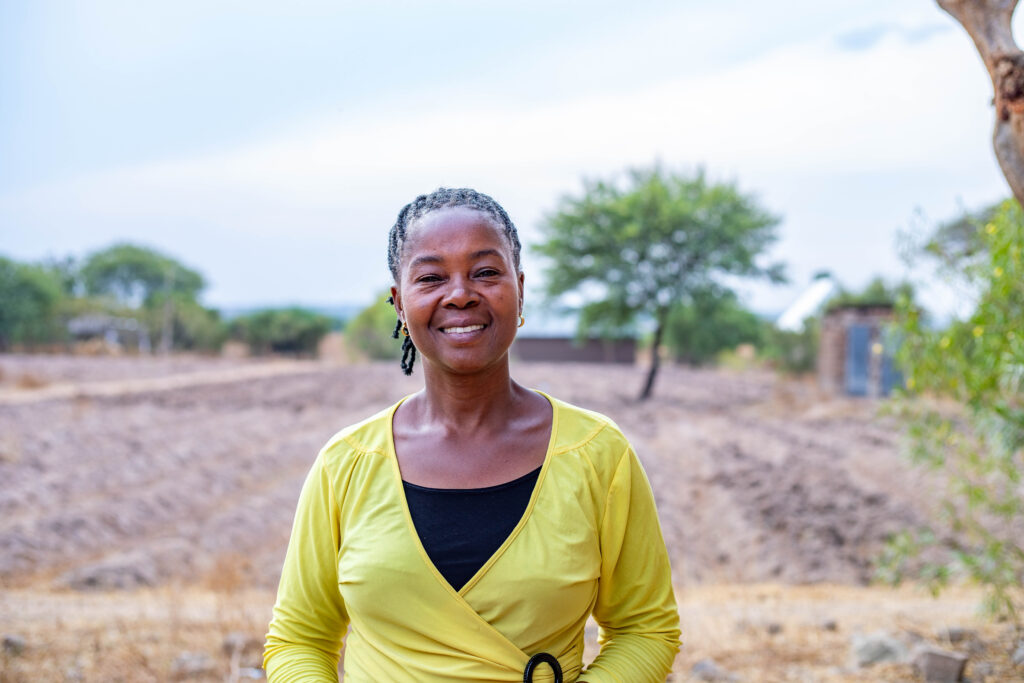
Through these efforts, communities are becoming more aware of the dangers of gender-based violence, and attitudes are slowly shifting, which is contributing to safer environments for women and children.
The project has also tackled malnutrition, which was previously a major issue in the Lake Zone and Kwimba District. Thanks to the efforts of the CHWs, pregnant women are now better informed about nutrition, and they know where to seek help if needed. This knowledge has led to healthier pregnancies and safer deliveries, with mothers better prepared for labor and delivery.
Additionally, there has been a significant increase in breastfeeding rates, and mothers now know when to introduce solid foods to their babies. For example, most mothers now understand that infants should start solid food at six months, a crucial milestone for child health.
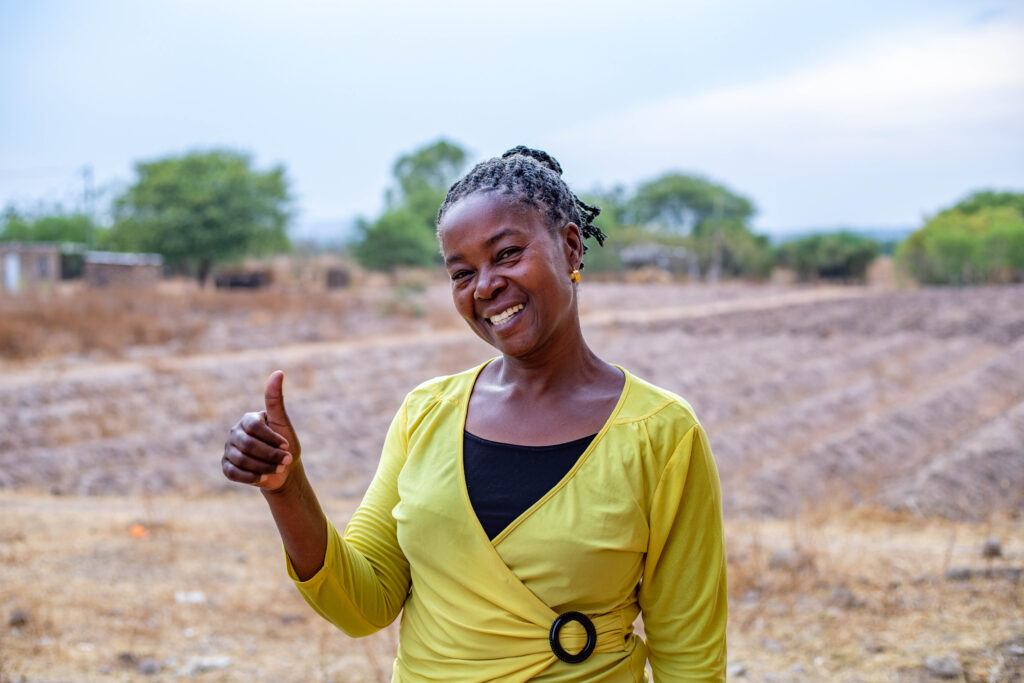
The success of the Ustawi wa Mwanamke project is a testament to the power of education and community involvement. Luciana has seen firsthand how the project has transformed lives in her district. Many families have reported that without the support of the CHWs, they might have lost their babies or mothers due to pregnancy related complications. “It’s clear that these community health care workers have saved lives,” Luciana says.
However, Luciana believes that there is still much work to be done. “If possible, we would like to request an increase in the number of community health care workers so that we can reach even more people in a timely manner,” she says.
With the continued success of the Ustawi wa Mwanamke project funded by the Irish Embassy, Luciana is hopeful that the impact will grow, further improving maternal and child health, reducing gender-based violence, and empowering communities across Kwimba District.

Communications Specialist with 7+ years in public health and development, focused on strategic storytelling and digital engagement.
Read more: https://www.linkedin.com/in/julieth-mongi-48742610b/