The Boda Boda Rider Who Spoke Up: How Florence Helped Protect His community from Marburg
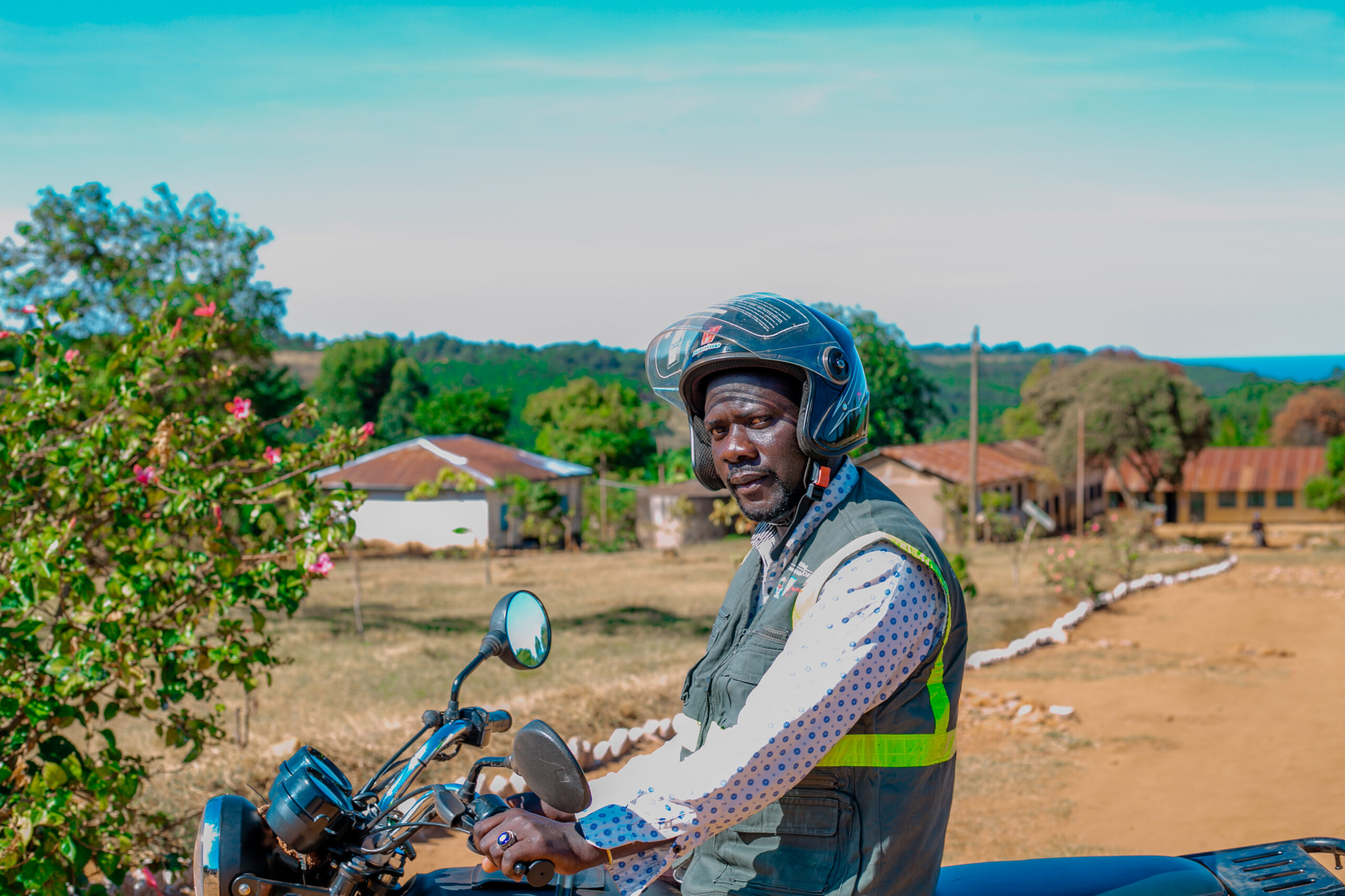
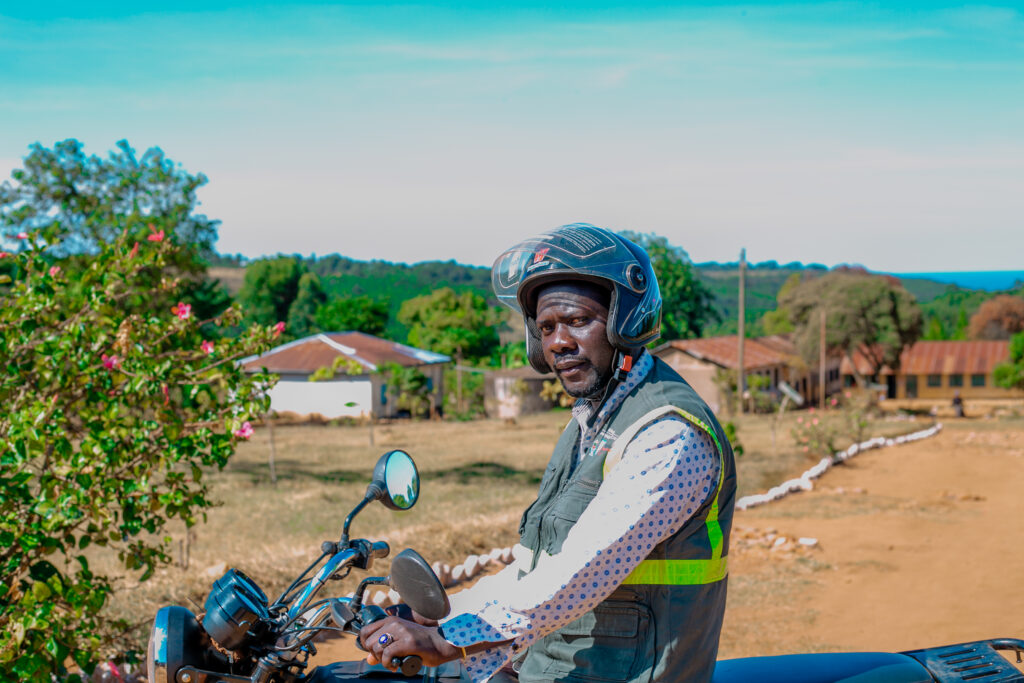
In Kanyengereko Ward, Kagera Region, Tanzania, a boda boda rider’s decision to report a troubling pattern of illness became a powerful reminder that protecting public health can begin with an ordinary person who chooses not to remain silent. Every day, Florence Theonesti gets on his motorcycle and goes to work. As a boda boda rider in Kanyengereko Ward, Kagera Region, his job is to transport people and their luggage from one destination to another. His journeys take him through neighbourhoods, homes, trading centres and other familiar corners of community life.
For Florence, these journeys are more than a means of earning a living. They place him at the heart of his community, where he encounters people from different walks of life and witnesses the everyday realities of those around him. But during the Marburg outbreak in Tanzania, a series of disturbing encounters would turn his ordinary working days into an experience that revealed the extraordinary role community members can play in protecting lives.
When Something Did Not Feel Right
It began with a call to transport a patient to hospital. As he had done many times before, Florence responded to the request. However, this journey was different. The patient was experiencing unusual symptoms, including bleeding from the nose and mouth. The patient was admitted to hospital overnight but, tragically, died the following day.
For Florence, the incident was deeply troubling. Yet it was what happened next that made him realise something more serious might be unfolding. Four days later, he encountered more than four additional people experiencing similar bleeding symptoms. Different people. Similar symptoms. A troubling pattern emerging within the same community. For someone whose daily work takes him from one household to another, these encounters were difficult to ignore. Florence recognised that what he was seeing was unusual and that the authorities needed to know.
Rather than dismissing the incidents as isolated cases, he decided to speak up. “I was alarmed when I encountered more people with the same symptoms. I decided to inform the authorities, starting with the Kanyengereko Ward Councillor,” Florence recalls. It was a simple but significant decision: to report what he had observed instead of assuming someone else would do so.
A Community Voice That Helped Trigger Action
Florence’s report brought an important warning to the attention of local leadership. His account, as a person who had encountered several affected individuals through his daily work, contributed to the information available to authorities as they responded to the emerging public health threat.
Following the reports, the government took preventive measures to help contain
the outbreak and prevent further spread.
Florence was not a doctor. He did not have a laboratory, medical equipment or the responsibility of confirming a diagnosis. What he had was something equally important in the early stages of an emerging health threat: direct contact with his community, the ability to recognize an unusual pattern and the courage to raise the alarm.
His experience illustrates a critical lesson in public health. Early warning does not always begin inside a hospital or laboratory. Sometimes, it begins with an observant community member who notices that something is wrong and connects that information to the people who can act on it. For Florence, the decision to report what he had seen became a source of pride.
“I am proud that I decided to share that information with the authorities. I believe my decision may have helped protect my community,” he says. His story is a reminder that the actions of one person can contribute to a much wider community response.
Beyond the Outbreak: The Human Cost of Being on the Frontline
Being close to the outbreak also came with its own challenges. During the Marburg response, Florence experienced the uncertainty and fear associated with an emerging infectious disease. He faced quarantine and concerns about transmission, realities that can disrupt daily life and leave community members anxious about their safety and that of their families.
During this difficult period, health professionals provided him with health education and psychosocial support. He received guidance on managing stress, protecting himself and others, and following public health measures.These experiences deepened his understanding of the importance of timely
information, trusted health guidance and community cooperation during an outbreak.
They also revealed that the people who help identify a public health threat may themselves need support. Community members are not simply sources ofinformation; they are individuals whose wellbeing, dignity and safety matter throughout an emergency response.
Florence’s experience highlights the importance of combining disease surveillance and prevention with clear communication, practical guidance and psychosocial support for people affected by an outbreak.
A Hero in Everyday Life
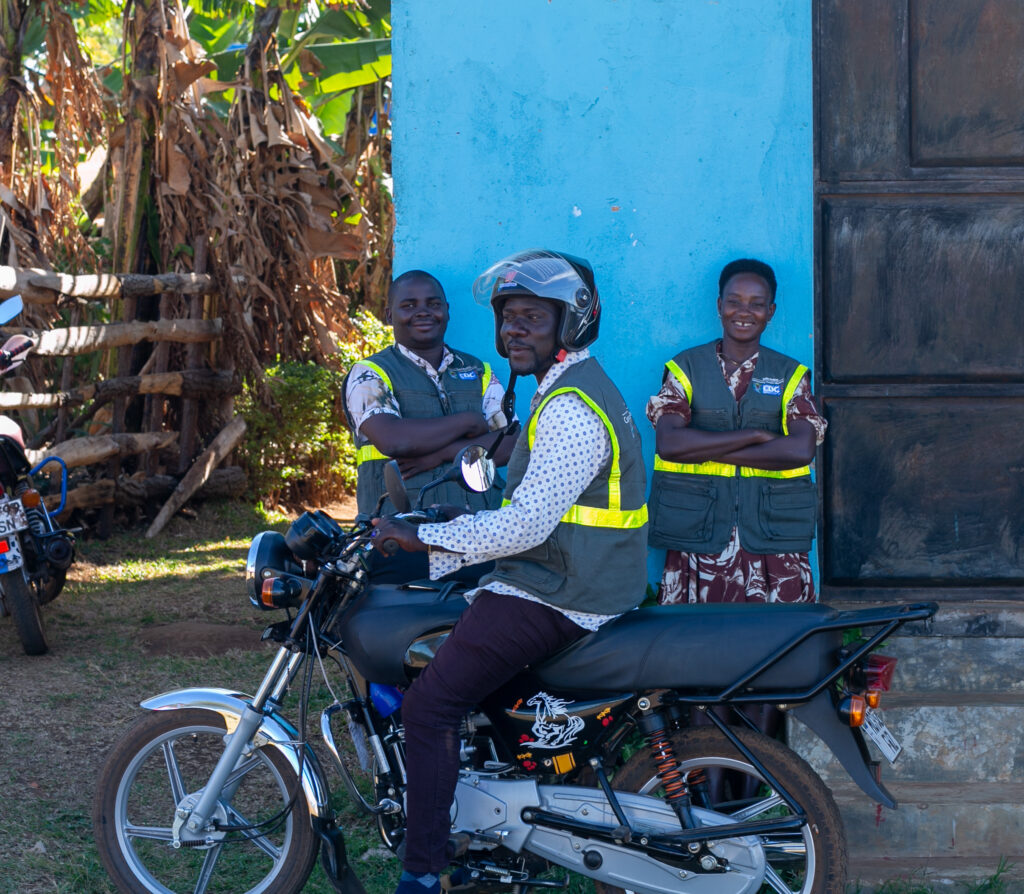
Today, Florence’s story stands as an example of how ordinary people can make an extraordinary contribution to community health. Boda boda riders are often among the most mobile members of their communities. Their work brings them into contact with households, patients, health facilities and local leaders. This everyday movement can place them in a unique position to notice unusual illnesses, hear reports of unexplained deaths or recognise changes that might otherwise go unreported.
Florence’s contribution did not depend on his ability to identify Marburg himself. It depended on his understanding that unusual symptoms affecting several people deserved urgent attention from the authorities.
That distinction matters. Community members should not attempt to diagnose illnesses or put themselves at risk. Instead, they can help protect others by recognising concerning situations, promptly reporting them to local leaders or health authorities, and following official public health guidance.
Florence wants others to understand the importance of acting quickly when something appears wrong.
“My advice to the community is simple: if you encounter people with these kinds of symptoms, inform the authorities immediately,” he urges. His message is particularly important in communities where information travels through personal relationships and trusted local networks. When people know what
to look out for, understand where to report concerns and trust that their voices will be heard, they can become an important part of a wider public health early-warning system.
Building Safer Communities, One Voice at a Time
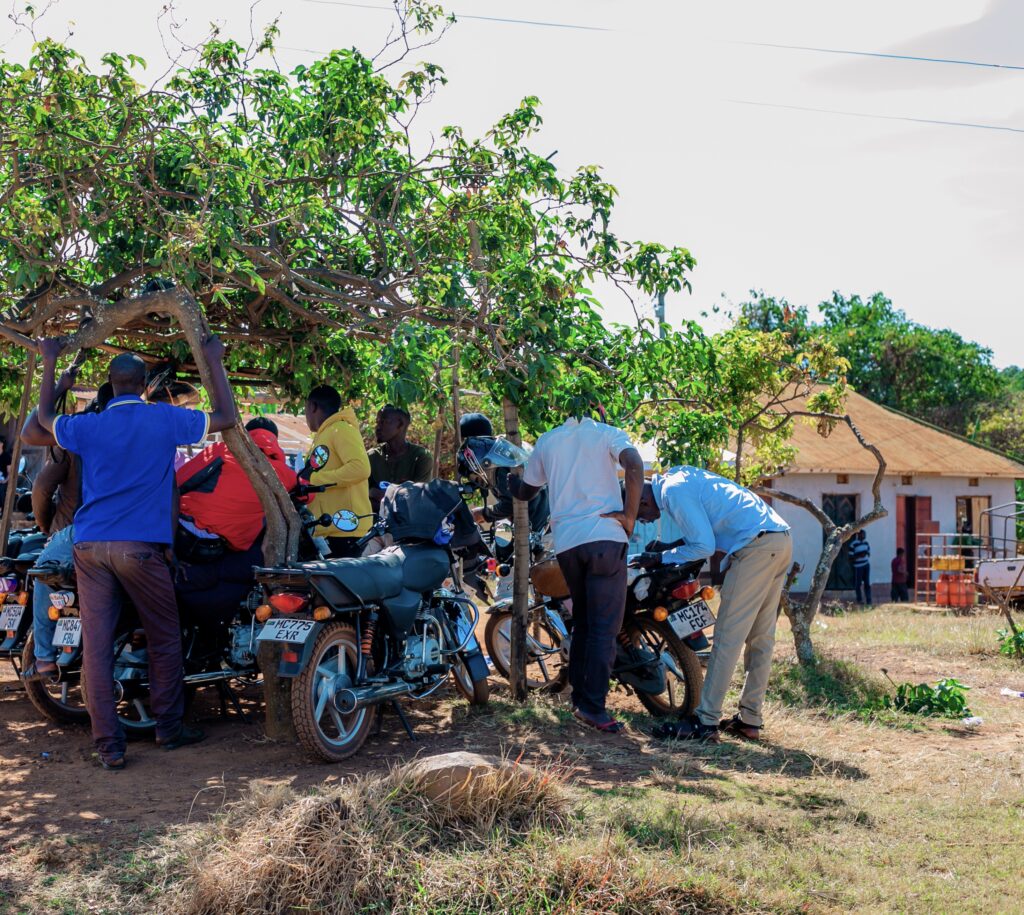
Florence’s experience reflects a broader lesson for public health preparedness in Tanzania: protecting communities requires more than the work of health professionals alone.It also depends on the participation of community members, local leaders, transport workers and other trusted individuals who are closely connected to everyday life.
When these groups recognise the importance of early reporting and are linked to responsive health systems, they can help authorities identify potential threats and act more quickly.
For organisations such as Amref Health Africa, experiences like Florence’s underscore the value of community-centred health approaches that strengthen awareness, encourage timely reporting and connect people with the formal health system.
Preparedness begins long before a health emergency reaches its peak. It grows
through knowledge, trust, strong community networks and the confidence to speak
up when something is wrong.
Florence may spend his days transporting people and luggage along familiar roads in Kagera. But when his community faced uncertainty, he did something that went beyond his usual responsibilities. He noticed a troubling pattern, raised his concern and helped bring vital information to the attention of local authorities.
His story reminds us that heroism does not always come with a uniform, a medical degree or a title.
Sometimes, it begins with a motorcycle rider who pays attention, finds the courage to speak up and understands that protecting a community can start with one decision.
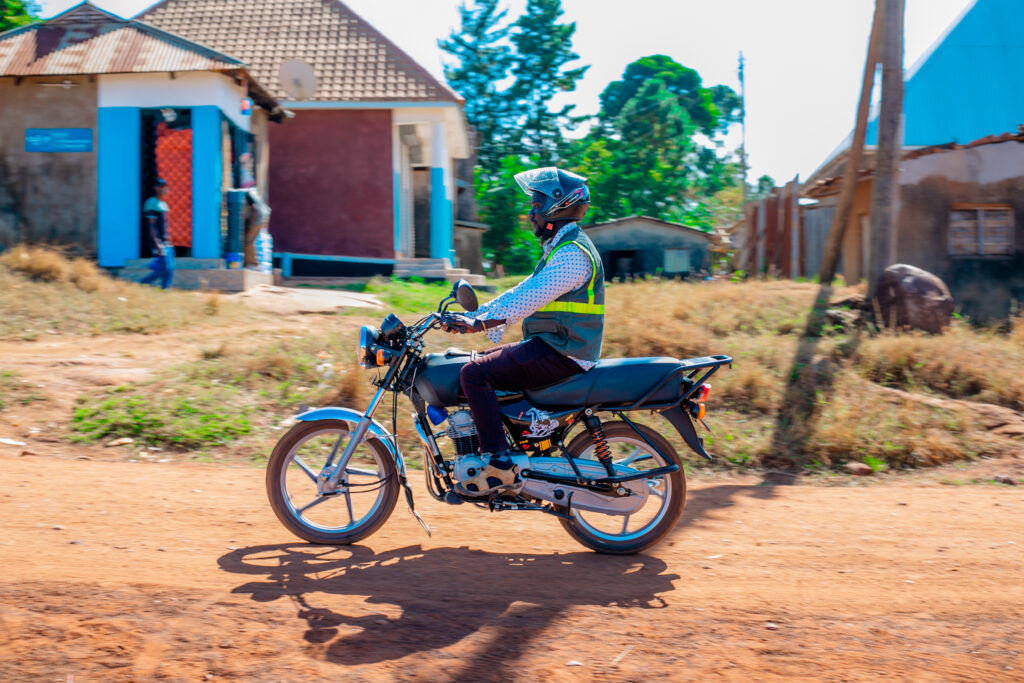
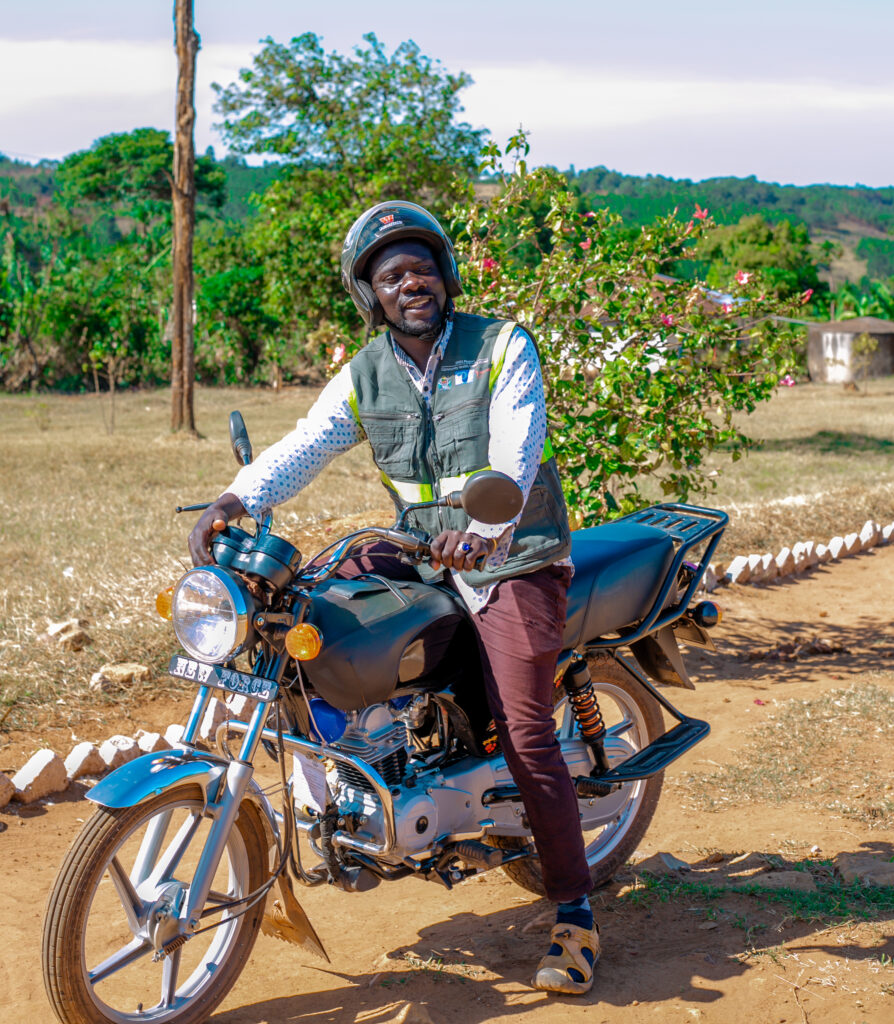
Everyday hero: Florence Theonesti goes about his daily work as a boda boda rider in Kagera Region, staying connected to the community he helped protect. Because when communities speak up early, they help create a stronger first line of defence against public health threats.
Florence Theonesti’s courageous decision to report unusual symptoms helped alert local authorities during Tanzania’s Marburg outbreak. His story highlights the impact of community-led disease surveillance, strengthened through the Global Health Security Agenda (GHSA) Project (September 2020–September 2025), implemented by Amref Tanzania in collaboration with the Ministry of Health and supported by the U.S. CDC Tanzania. It is a powerful reminder that protecting communities begins with awareness, timely reporting and the courage to speak up.

Communications Specialist with 7+ years in public health and development, focused on strategic storytelling and digital engagement.
Read more: https://www.linkedin.com/in/julieth-mongi-48742610b/