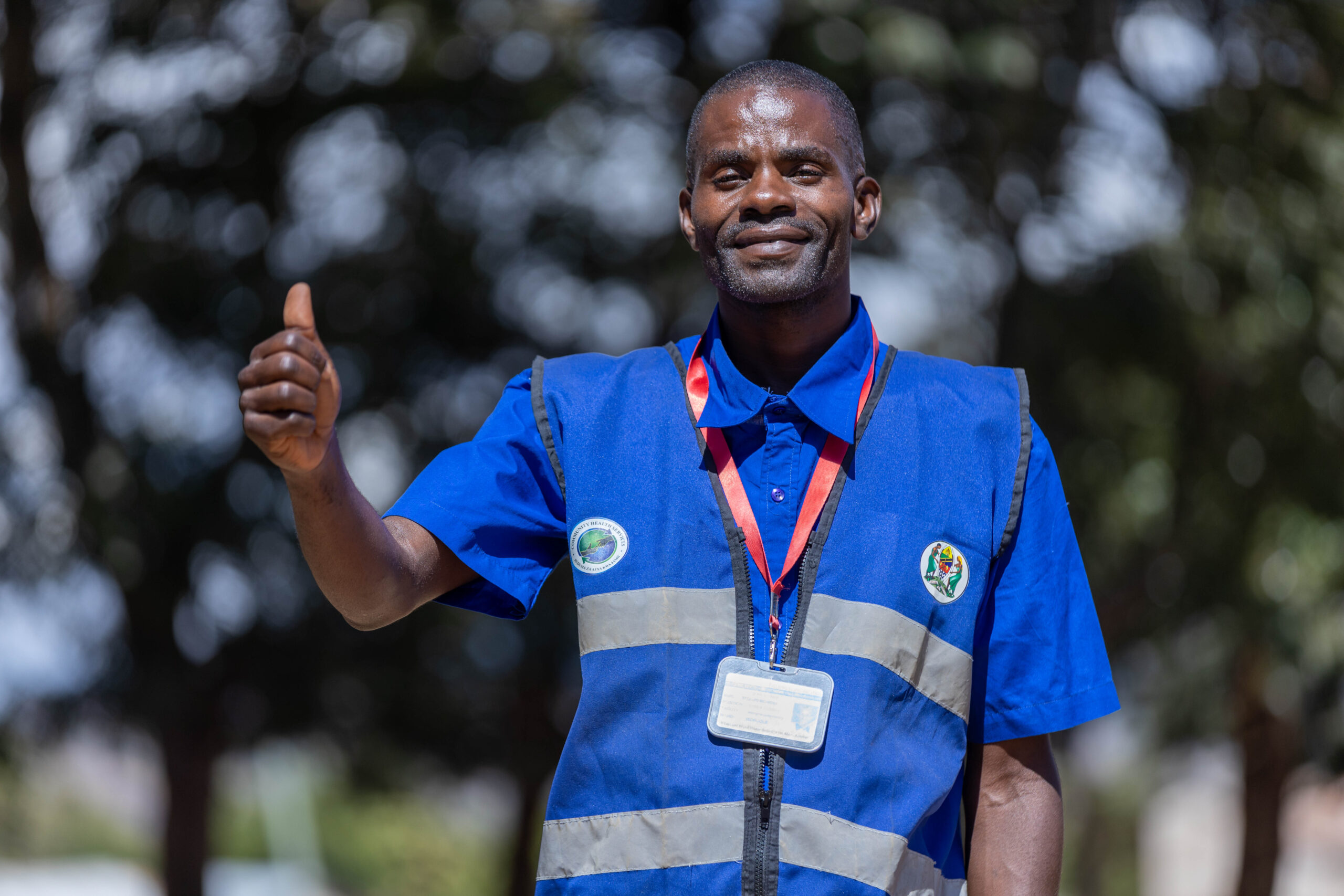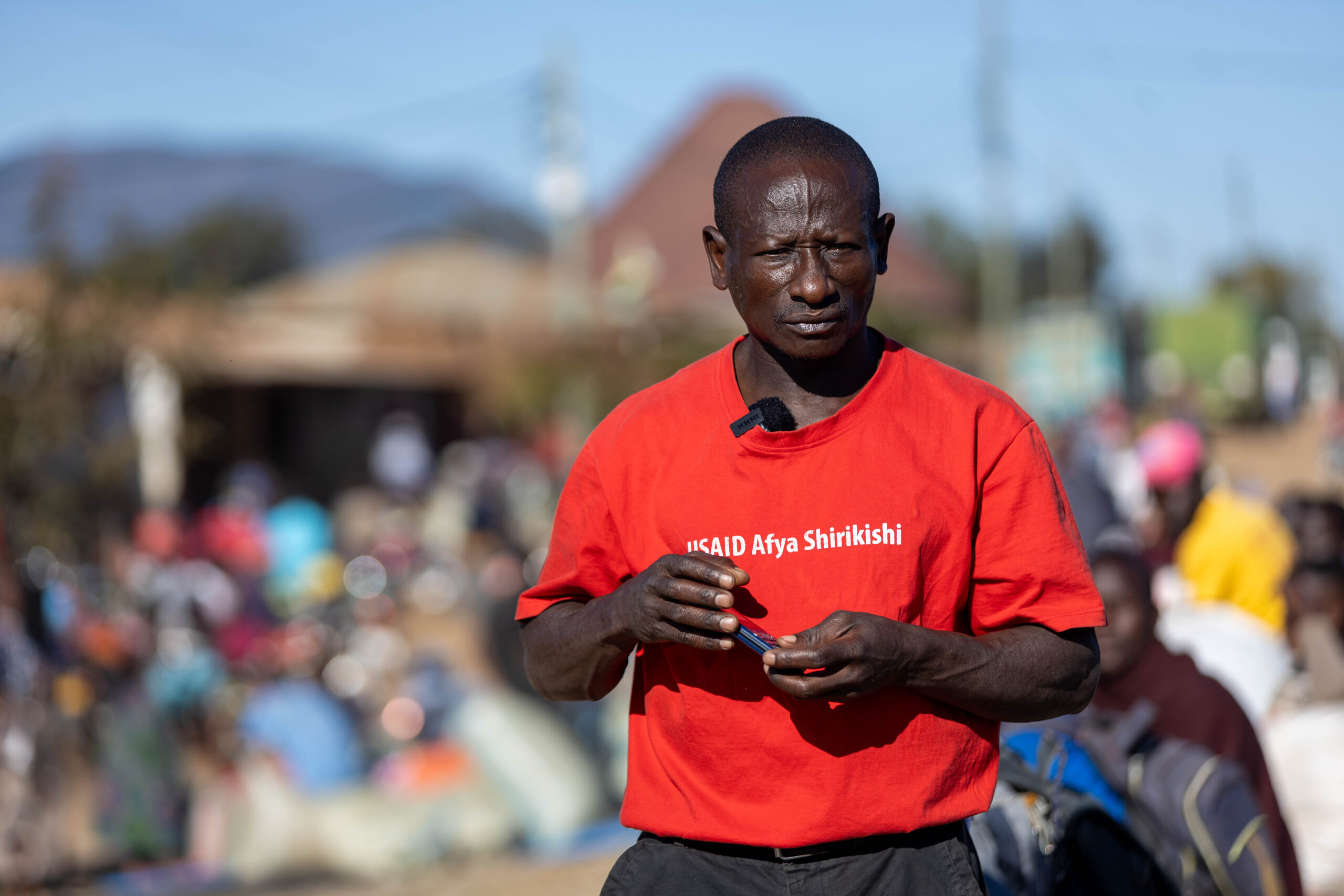
Reaching the Unseen: How Social Networks Are Helping Find More People Living with HIV.
In many communities, the journey to an HIV diagnosis still begins with fear, stigma, or silence. But through trusted connections between friends, neighbors, or peers that silence can be broken.
This is the heart of the Social Network Strategy (SNS), an approach that builds on personal relationships to reach individuals who might not otherwise come forward for HIV testing. By encouraging people living with HIV or at high risk to refer those in their social circles for testing, SNS helps bridge the gap between care and those who may need it most.
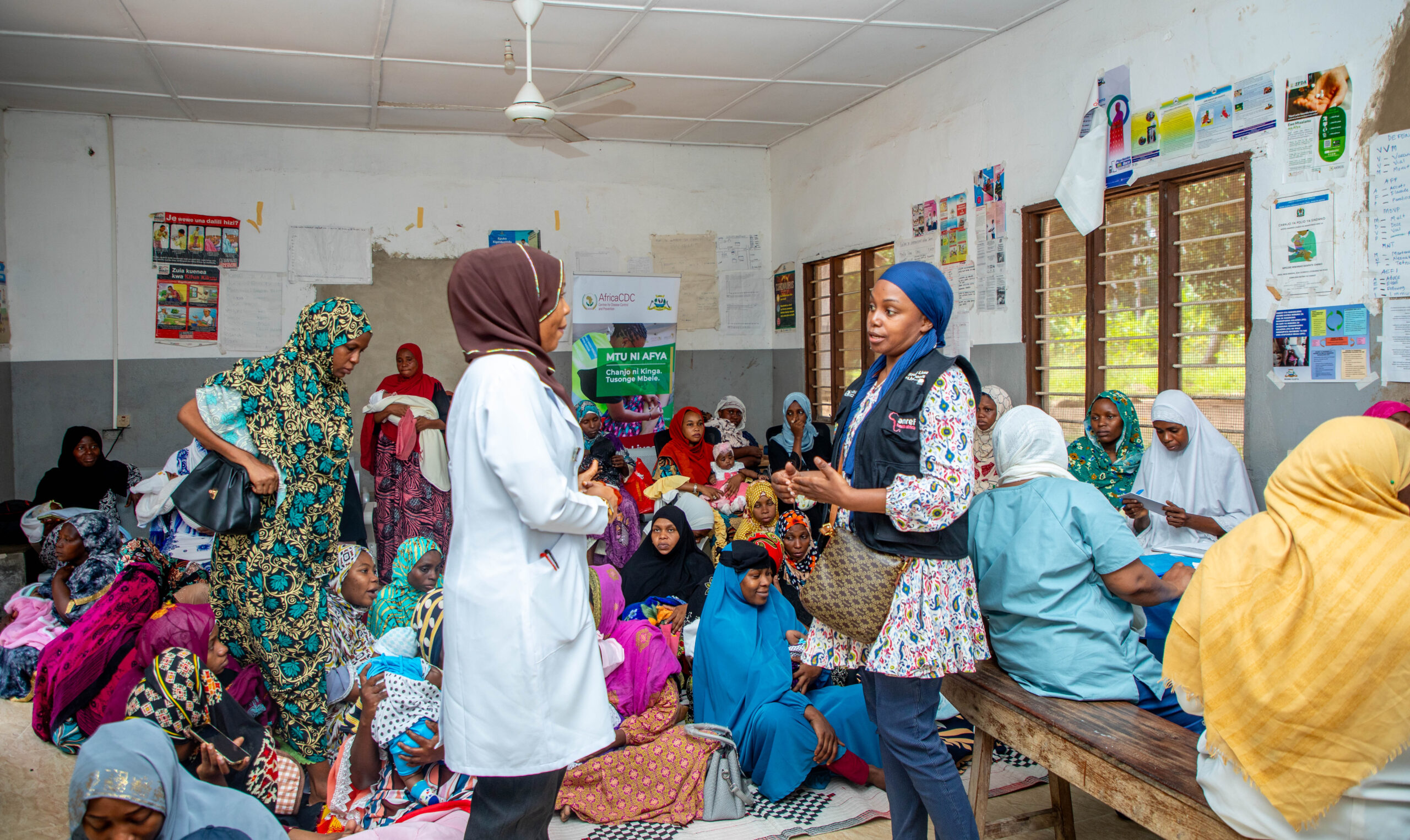
In 2022, healthcare providers in the Afya Kamilifu project began adapting and introducing this approach across health facilities in Tanzania. It was a new way of working one that asked health workers not only to test but to listen, to build trust, and to invite their clients to become partners in health.
From March to June 2022, the early results told a powerful story:660 primary clients were engaged through SNS 99% of them accepted to participate.These clients helped reach 1,118 individuals in their social networks, 86% of whom agreed to be tested.78 new HIV-positive cases were identified a 7% yield and nearly all were linked to treatment services immediately.
The approach also supported people already diagnosed to reconnect with care or help others do the same.
The impact extended beyond numbers. In places like boda boda (motorcycle taxi) hubs, where men often avoid routine health services, SNS allowed health workers to reach people in a space where they felt safe and respected. As one provider shared, “When a client brings in someone they care about, it creates a different kind of connection. It’s no longer just about testing it’s about trust.”

SNS uses boda boda riders to spread HIV awareness in high-risk networks.Image © Amref Tanzania.
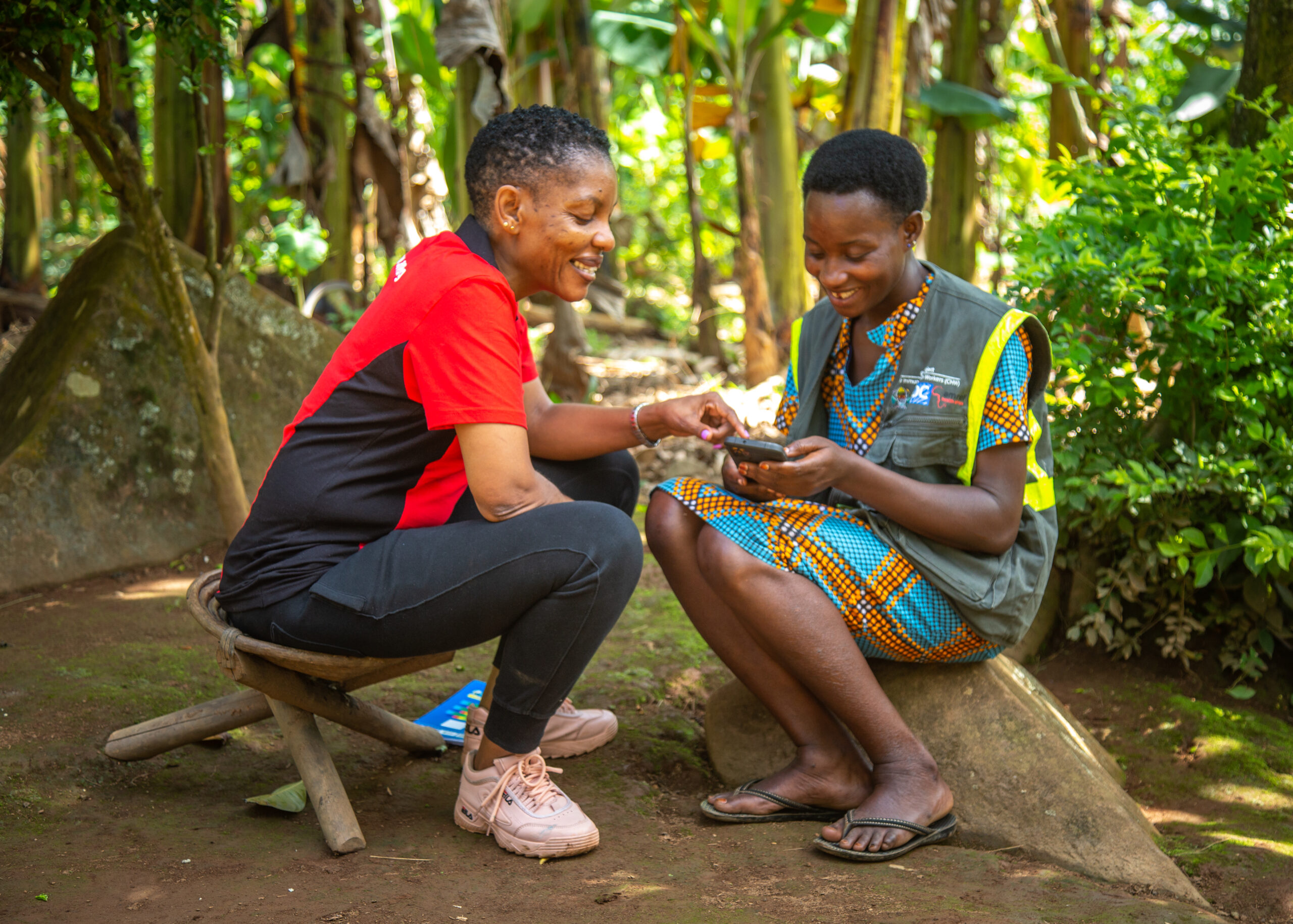
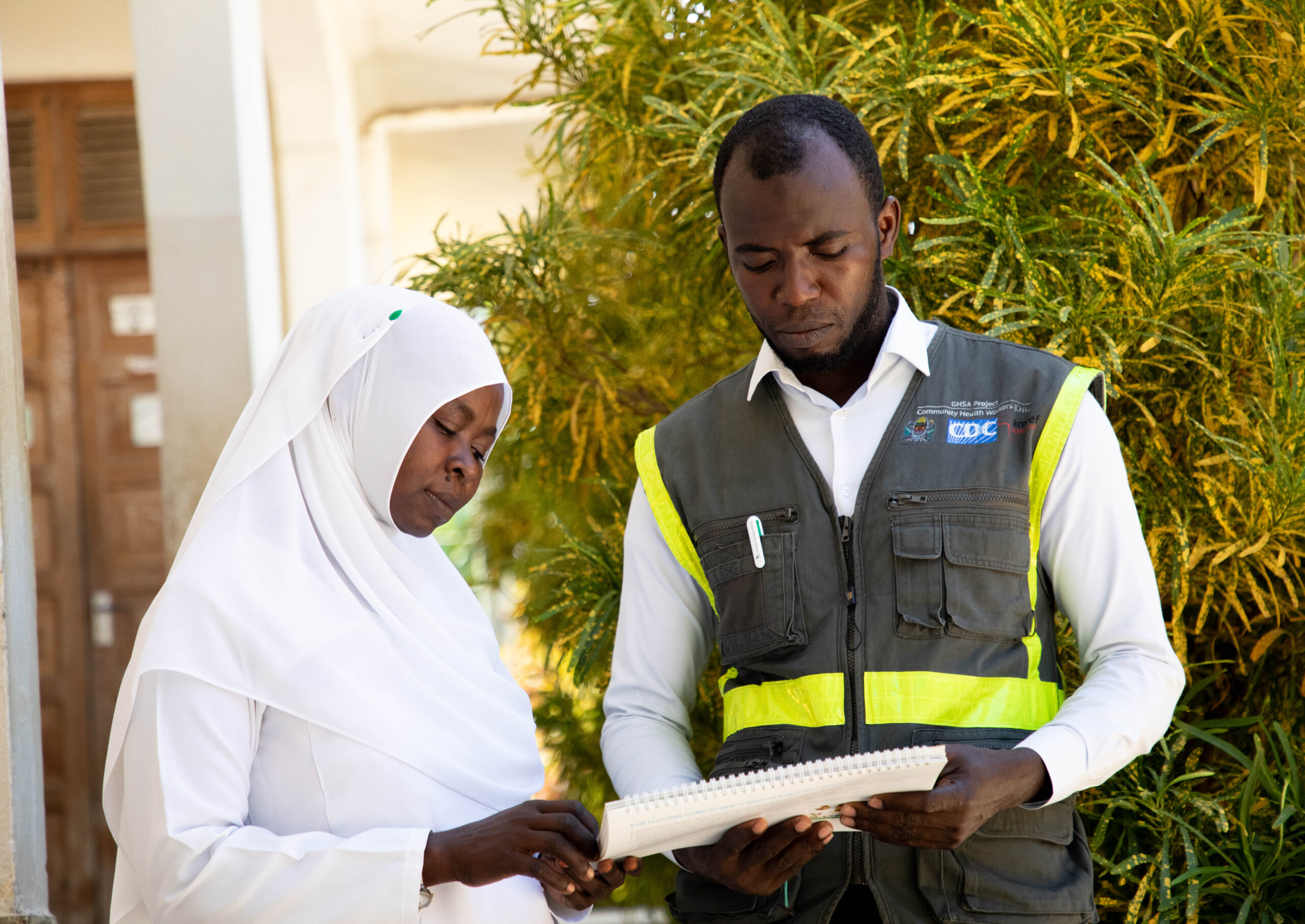
To support the rollout, tools were reviewed and aligned with national HIV testing guidelines, and new strategies like HIV self-testing were integrated to reduce the burden on health providers. Weekly progress updates were shared through WhatsApp, creating a network of learning among providers across regions.
As the approach proved effective, it was scaled up to 45 additional health facilities, creating momentum for wider adoption. Providers were trained, tools refined, and conversations around HIV began to shift from fear to openness, from isolation to inclusion.
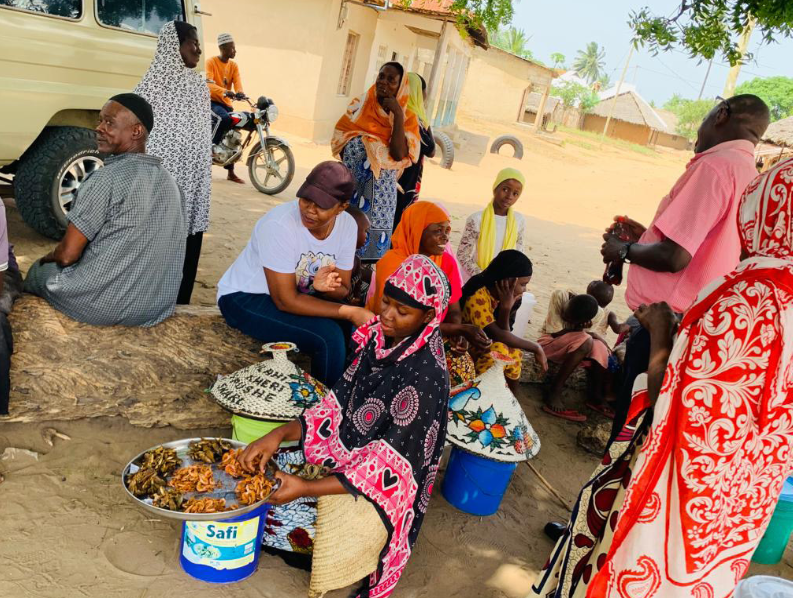
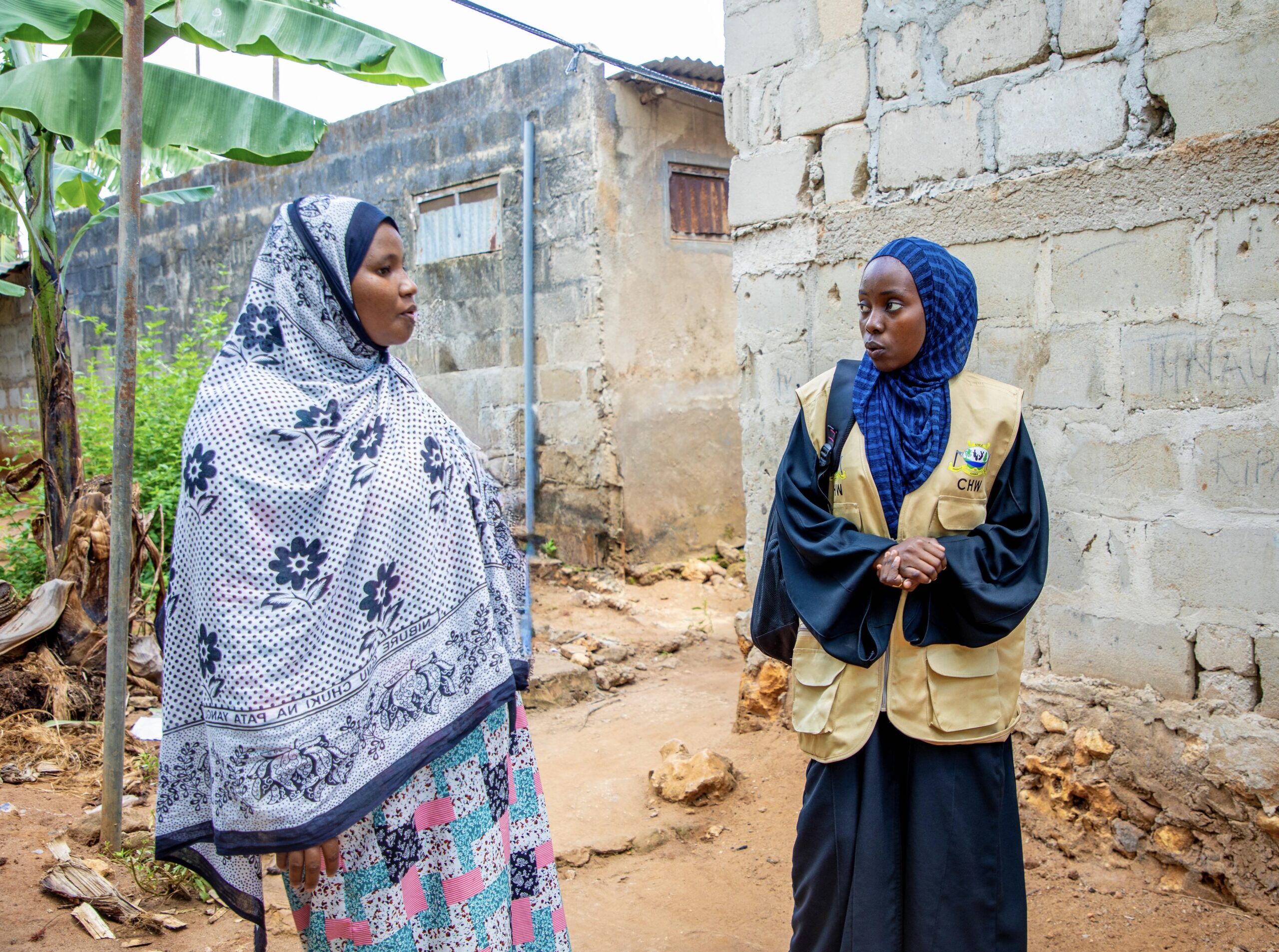
SNS peer engages local women to promote HIV testing and reduce stigma. Image © Amref Tanzania.
SNS is now not only a strategy it’s a movement, quietly empowering communities to care for one another in the most personal, meaningful ways.
The introduction of the Social Network Strategy was part of the Afya Kamilifu project, a five-year initiative funded by the U.S. President’s Emergency Plan for AIDS Relief (PEPFAR) through the U.S. Centers for Disease Control and Prevention (CDC) in Tanzania. The project was implemented by Amref Health Africa in Tanzania, in collaboration with the University of Maryland Baltimore (now CIHEB) and the Tanzania Communication and Development Center (TCDC), and in partnership with the Ministry of Health, the Zanzibar Ministry of Health, and the President’s Office – Regional Administration and Local Government (PO-RALG).

Communications Specialist with 7+ years in public health and development, focused on strategic storytelling and digital engagement.
Read more: https://www.linkedin.com/in/julieth-mongi-48742610b/