Jackline’s Journey: A Voice for Youth in Simiyu’s HIV Response.
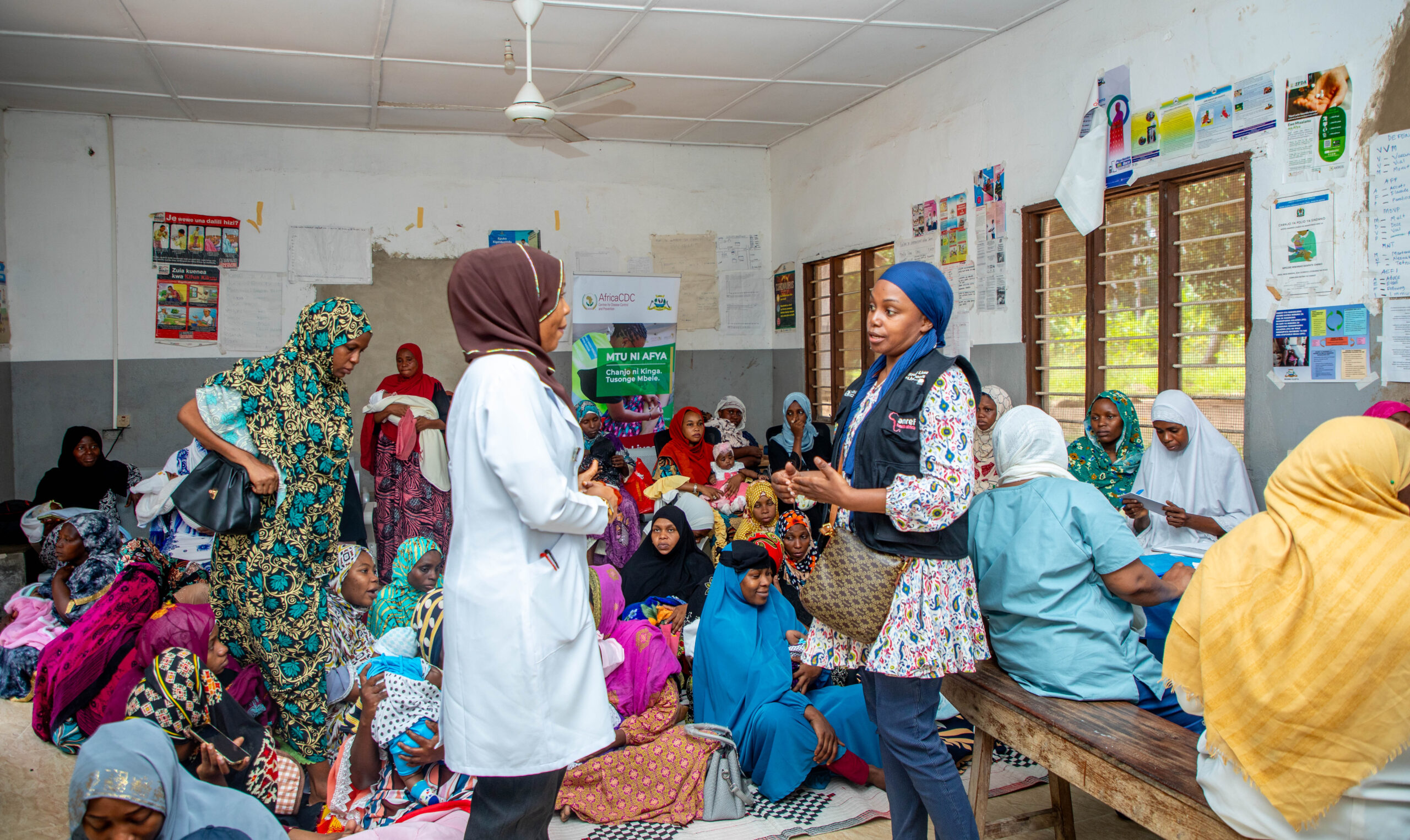
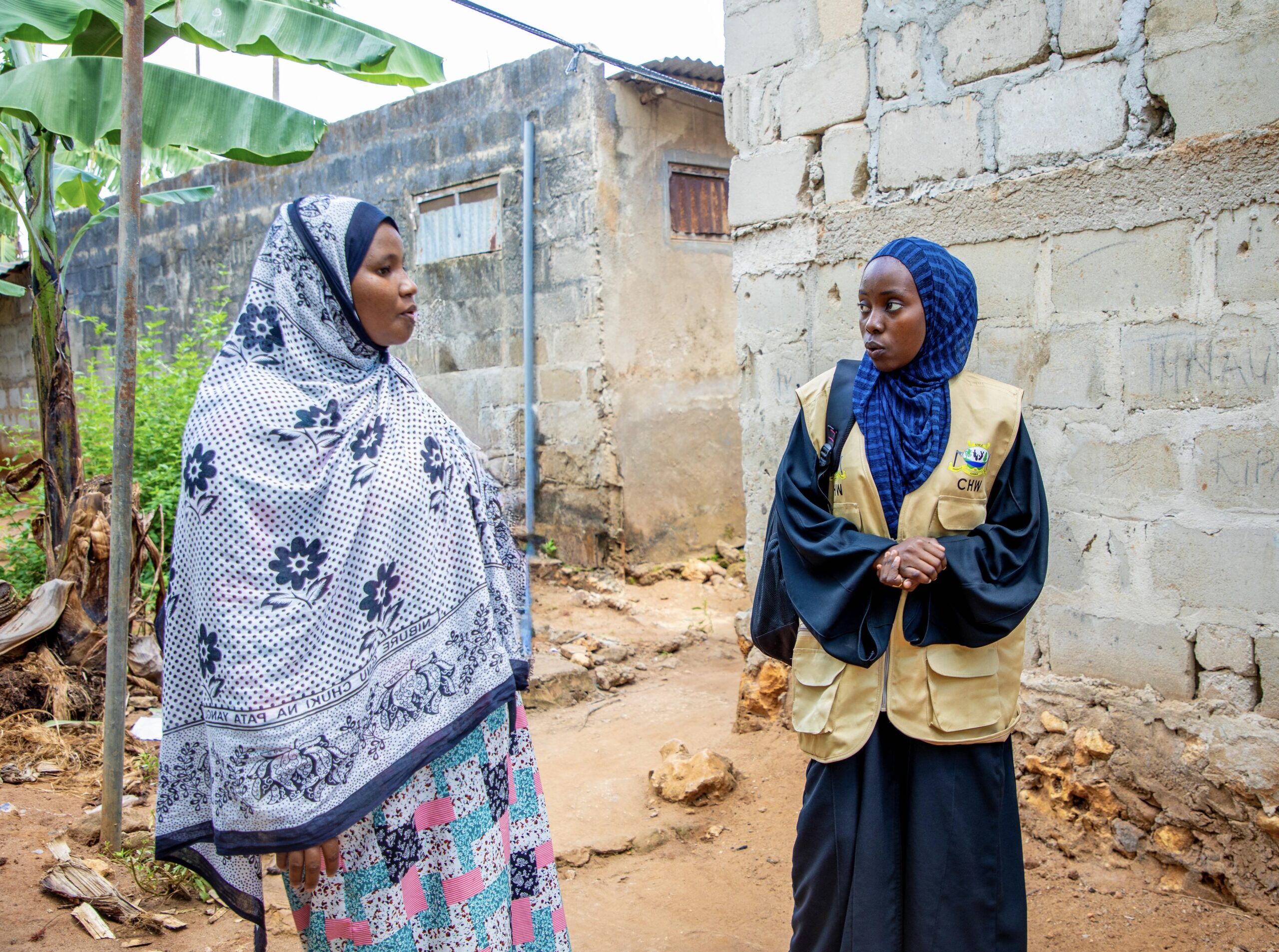
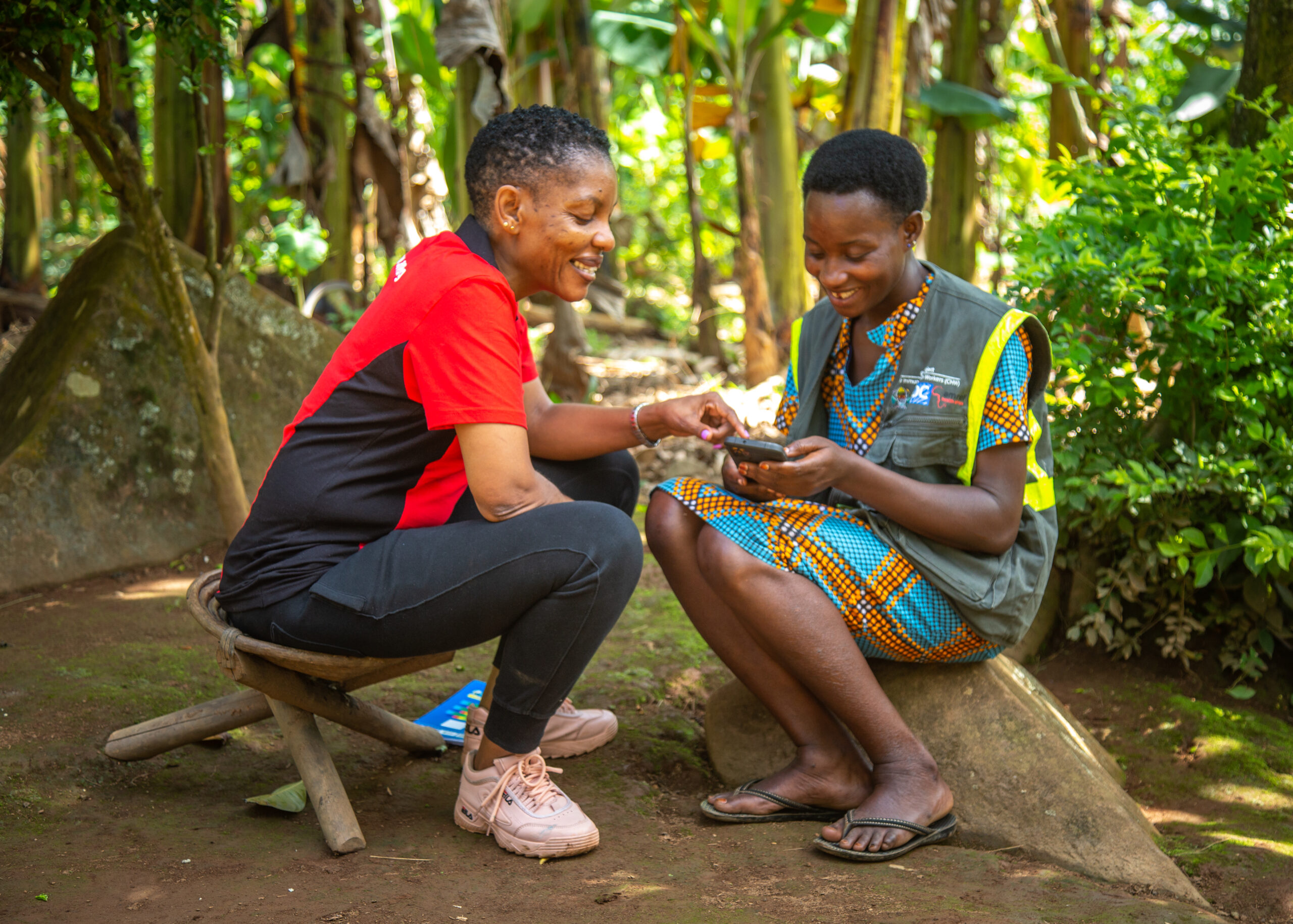
In the heart of Simiyu region, Jackline Lugoye is helping transform how young people understand and respond to HIV. As a peer educator, she uses her voice and lived experience to break down stigma, encourage testing, and offer support to those who need it most.
Jackline’s path into peer education began with a series of youth focused trainings on HIV prevention, testing, and care. What started as curiosity quickly turned into purpose.
“I realized how much silence and shame still surround HIV, especially among young people,” she reflects. “So I made it my mission to create safe spaces for open conversations.”
She began facilitating discussions in youth groups, community forums, and informal gatherings places where honest dialogue could thrive. Her message was consistent: know your status, ask questions, and don’t be afraid.
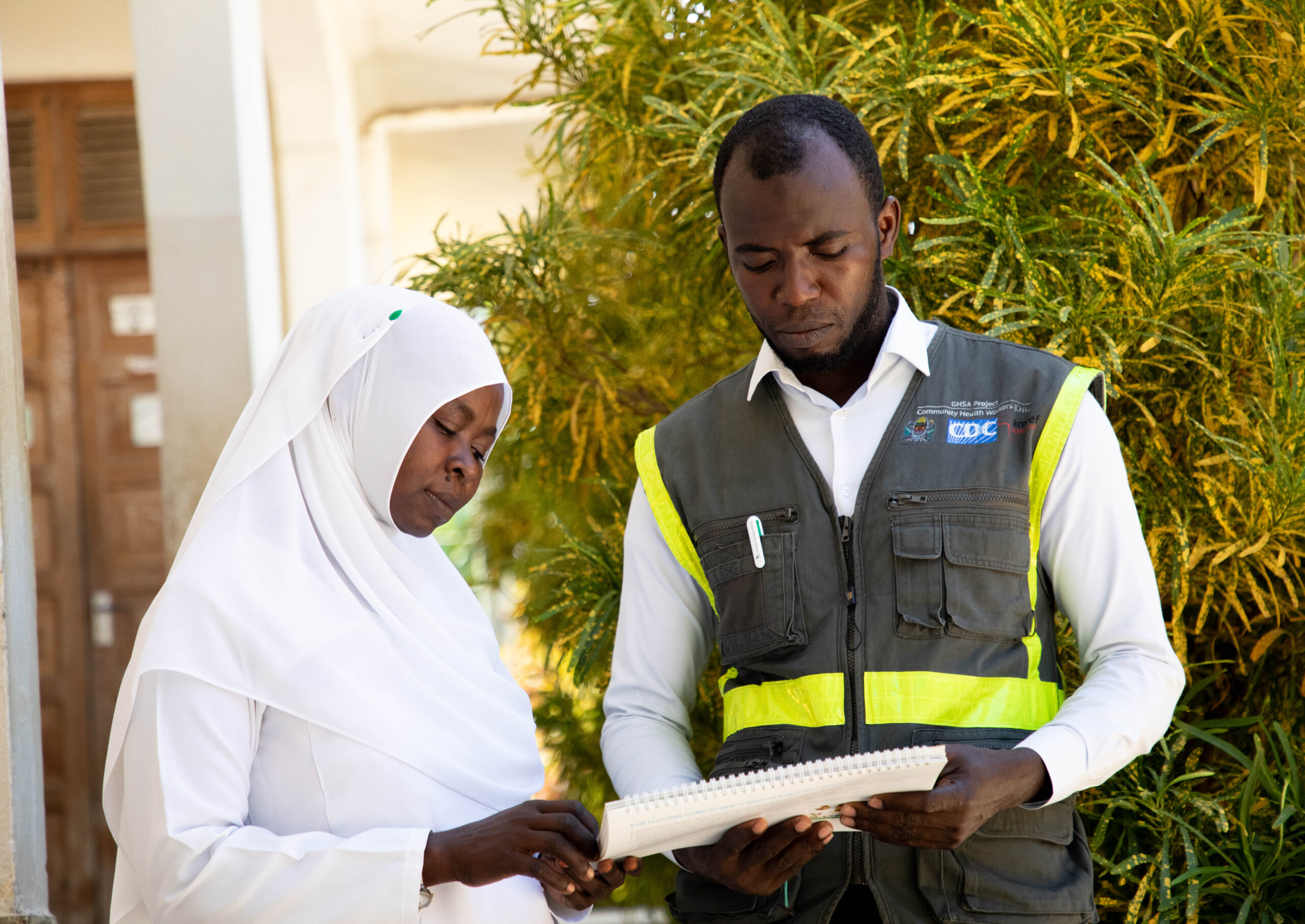
To make HIV testing more accessible, Jackline worked closely with local health providers to connect young people to services like index testing and social network-based approaches (SNS), which help identify at-risk individuals through trusted peer networks.
“I noticed that once testing felt normal and free of judgment, more youth came forward,” she says. “Some were scared, but most just needed someone to talk to.”
For those living with HIV, Jackline offers more than information she provides hope. She talks about the importance of treatment adherence and mental well-being, and reminds young people that an HIV diagnosis does not define their future.
“Many of the youth I support are now living full lives going back to school, working, raising families. That’s what gives me the strength to keep doing this,” she says with a quiet confidence.
Her work has helped shift perceptions, build resilience, and ensure that HIV services reach the young people who need them most.
Jackline’s journey was made possible through the Afya Kamilifu project a five-year initiative supporting HIV prevention, testing, and treatment. The project was funded by the U.S. President’s Emergency Plan for AIDS Relief (PEPFAR) through the U.S. Centers for Disease Control and Prevention (CDC), and implemented by Amref Health Africa in collaboration with regional partners and communities across Tanzania.

Communications Specialist with 7+ years in public health and development, focused on strategic storytelling and digital engagement.
Read more: https://www.linkedin.com/in/julieth-mongi-48742610b/