From Desperation to Hope: Transforming Health at Nyamilama Center
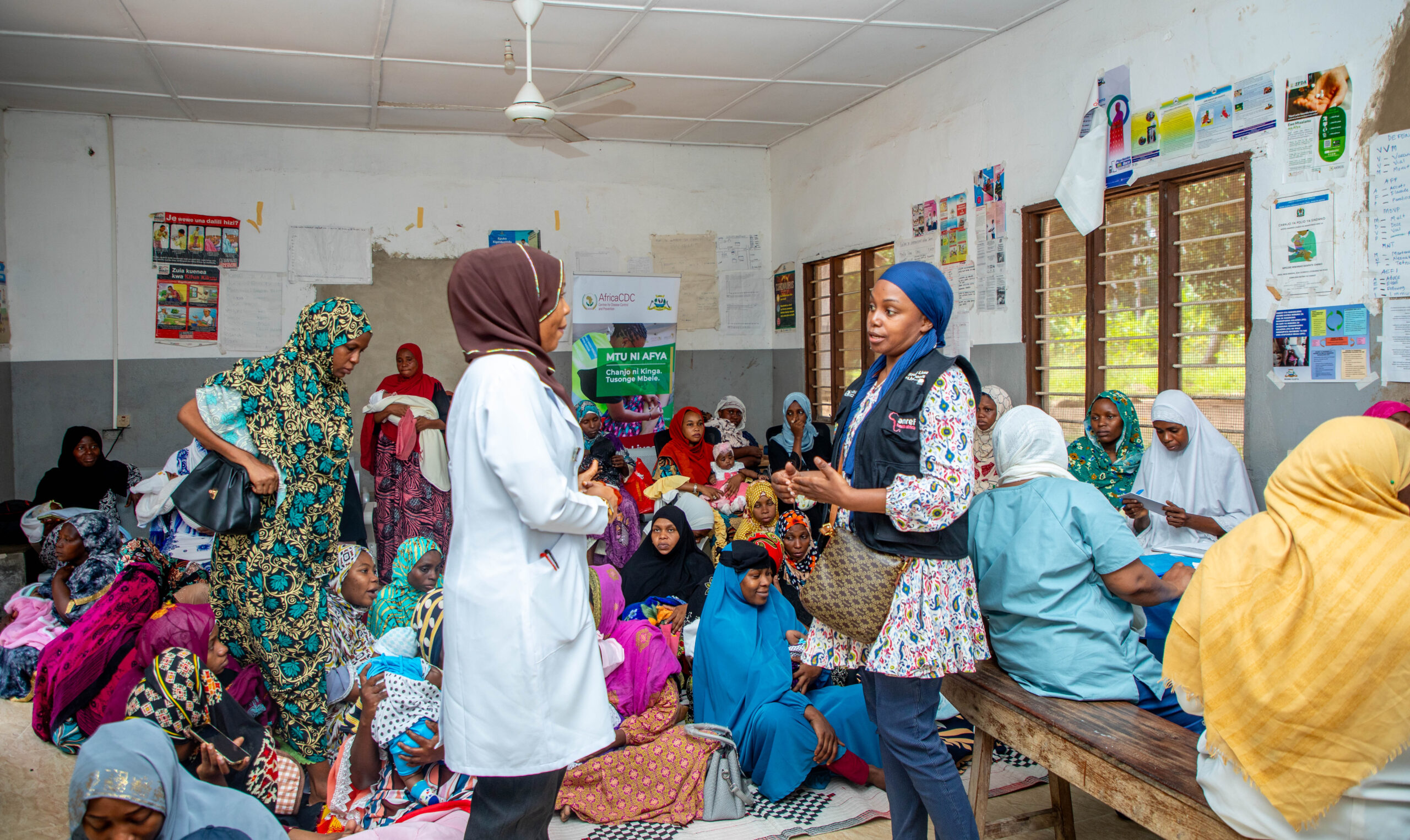
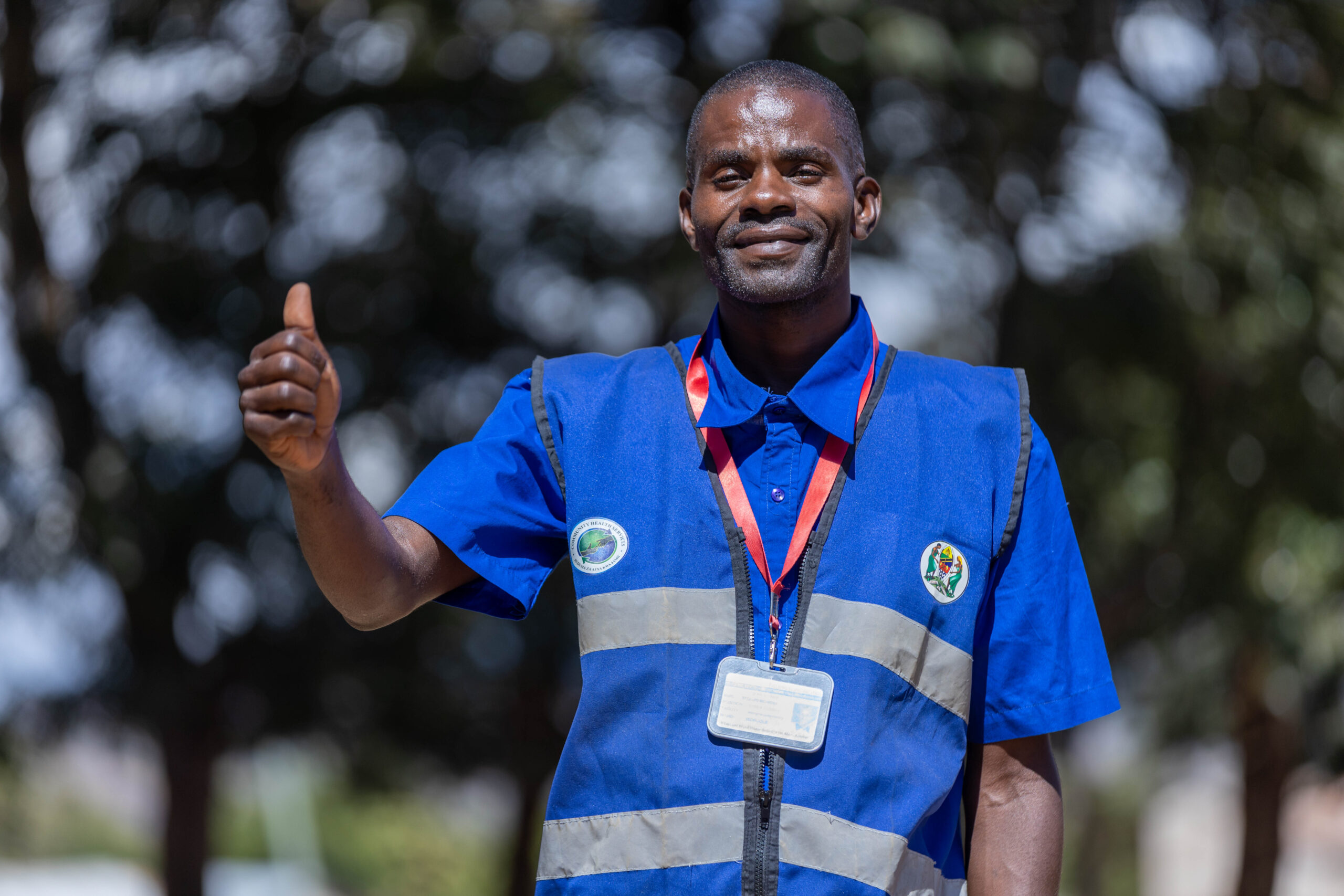
Mihayo Mussa Daniel is a medical practitioner at the Nyamilama Health Center, seeing children arrive in critical condition was once a heartbreaking routine. “We used to see malnourished children come in when it was nearly too late to help,” she recalls somberly. However, the situation has dramatically improved since community health workers (CHWs) underwent LEAP training.
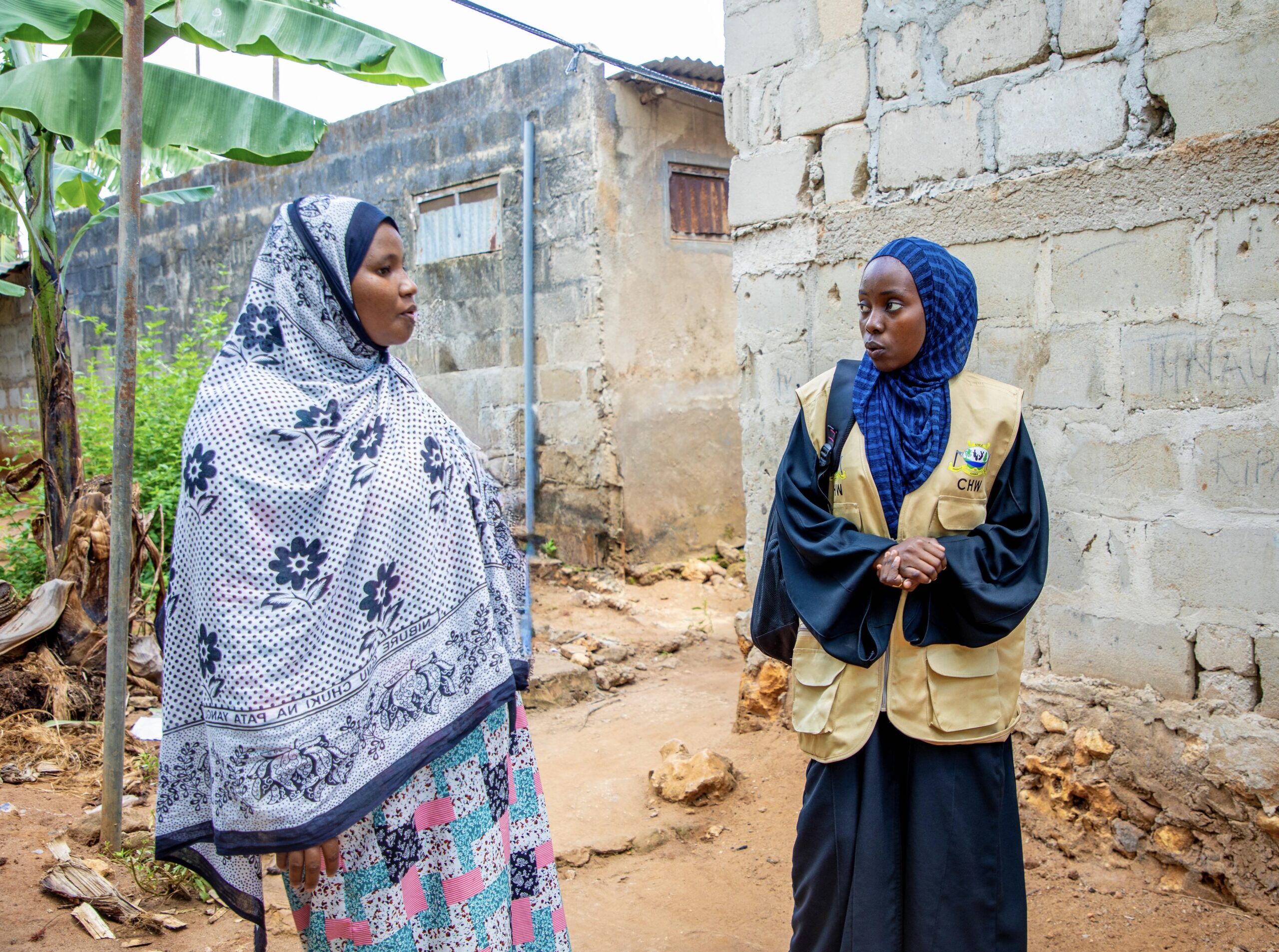
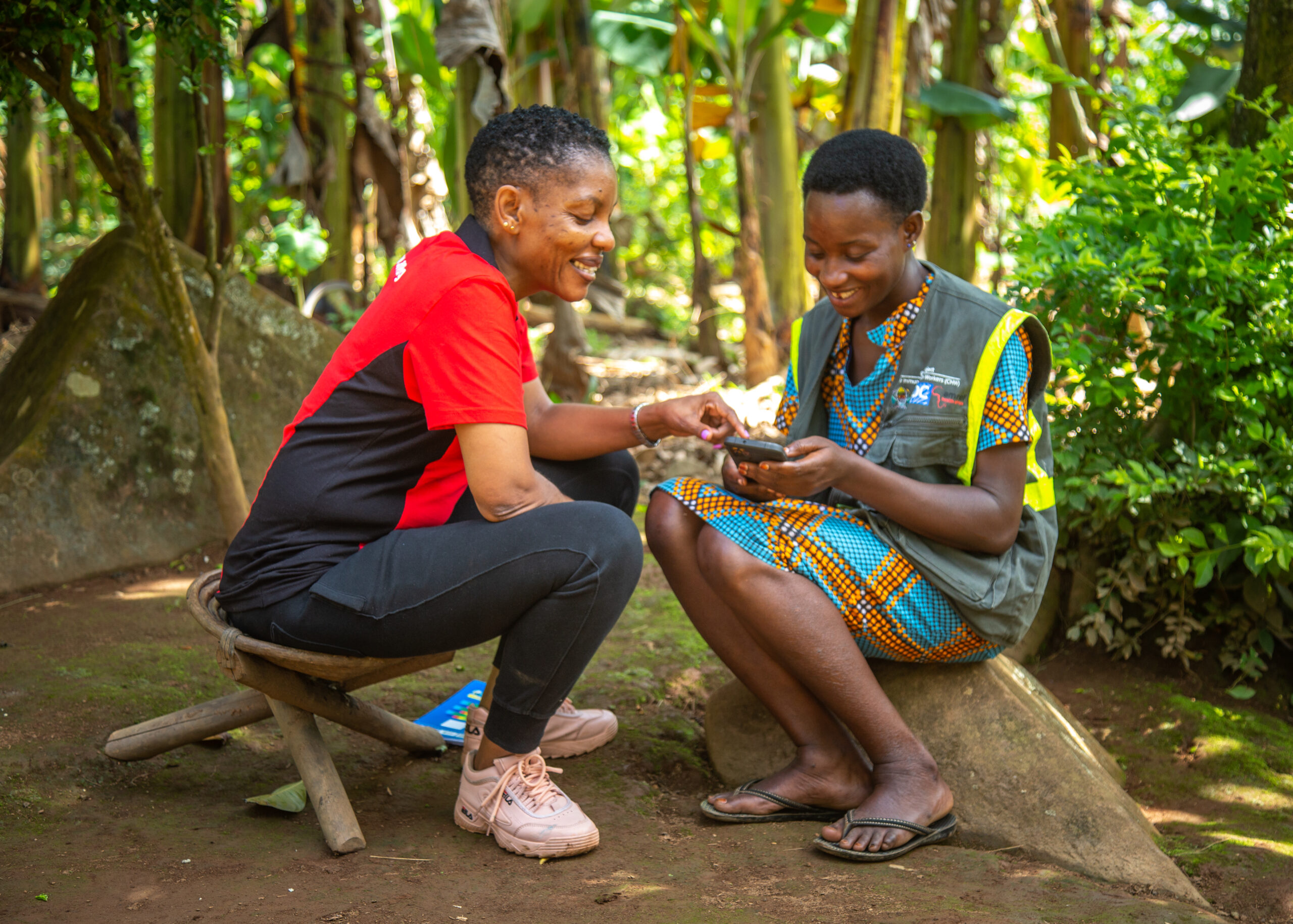
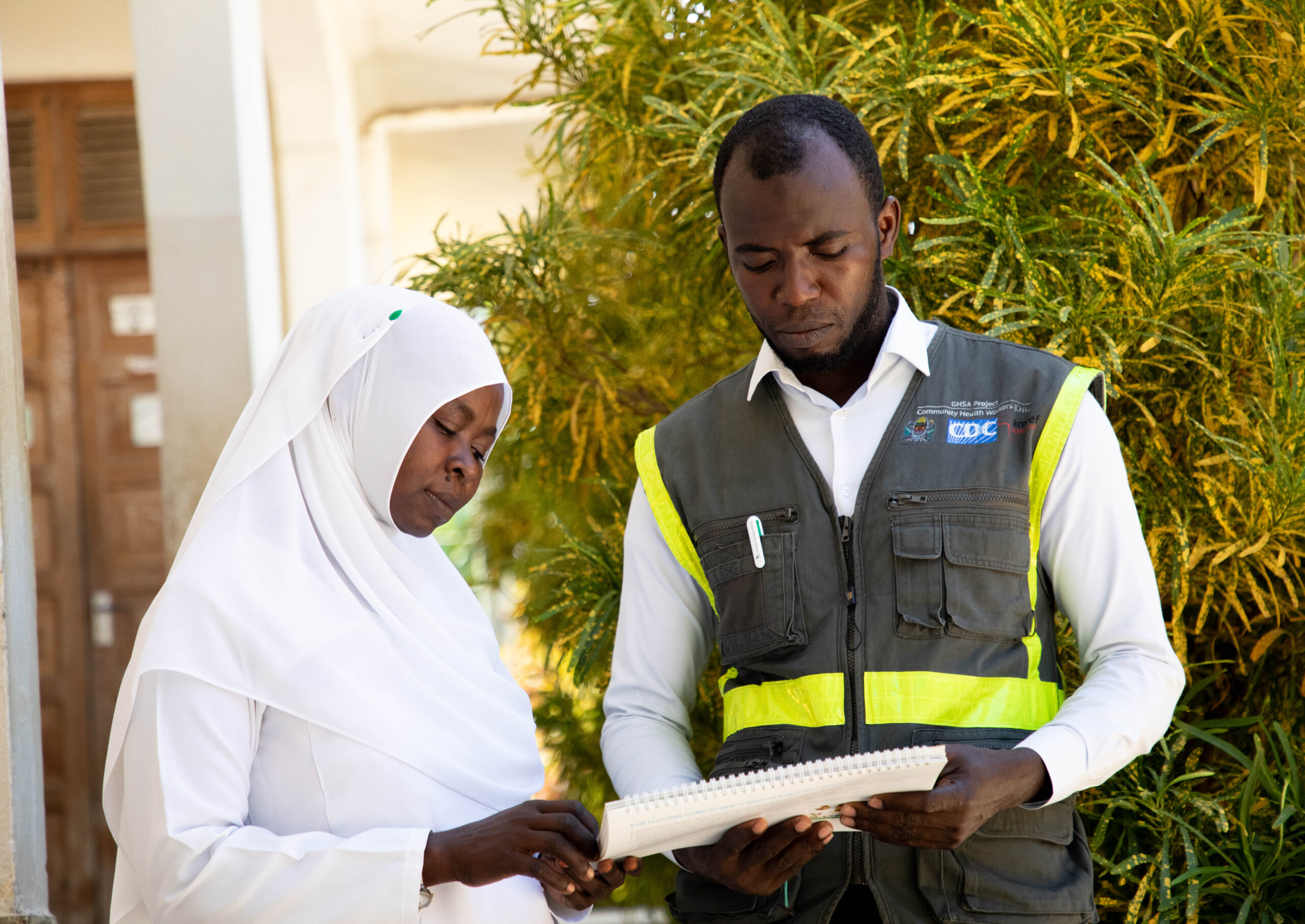
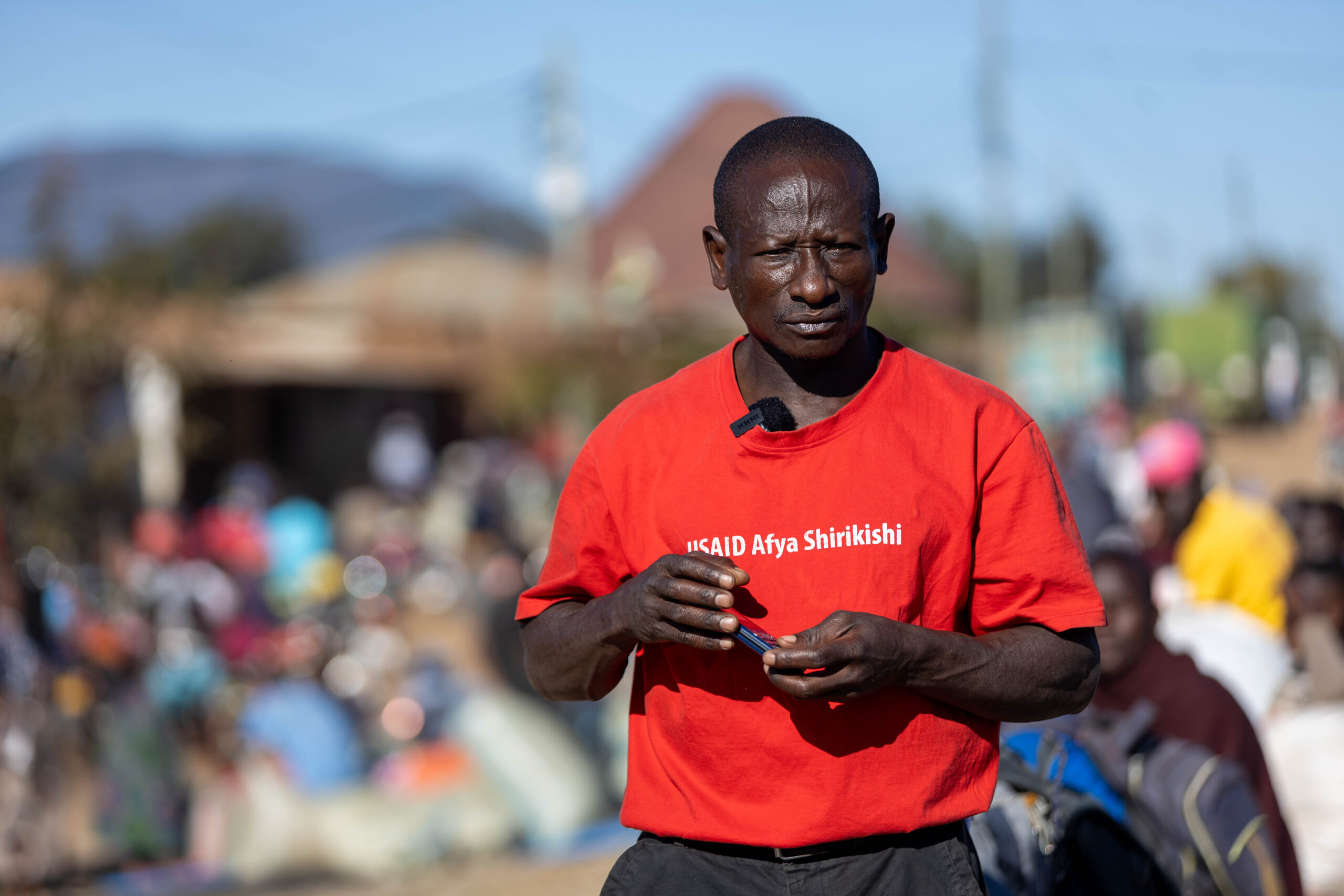
Before the training, community health workers struggled with communication and early detection of health issues. “In the past, children used to arrive here in a very bad state, almost beyond help,” Mihayo explains. “But now, thanks to the training, CHWs visit homes regularly, identify health problems early, and provide advice to families. This has made a huge difference and children are now coming to the clinic on time, and we are able to intervene much earlier.”
The relationship between community health workers and the facility has also transformed. “Previously, there was a disconnection between the health facility and the community. Now, the CHWs are in constant contact with us,” Mihayo adds. “If they face challenges, they can easily call us for support, and their reports arrive on time. We work together to solve any problems that arise.”
The impact of the CHWs’ training is evident in several key areas. There has been a significant rise in maternal clinic visits, with more pregnant women coming to the clinic during their first 12 weeks. “Now, more women are seeking care early in their pregnancies,” Mihayo notes. “The number of women delivering at health facilities instead of at home has also increased.” One remarkable result of the training has been the increased demand for iron supplements among pregnant women, leading to occasional shortages at the facility.
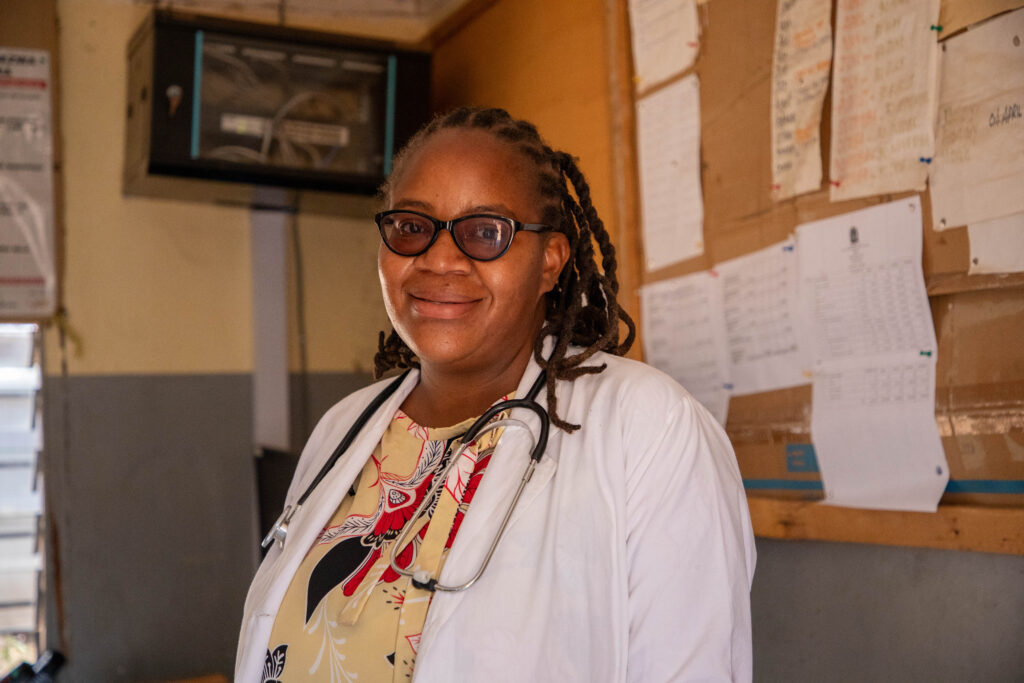
“We sometimes run out of supplies and have to borrow from neighboring health facilities, but it’s a good challenge to have because it shows how much the community is engaging with healthcare services.”
Child health has also seen dramatic improvements. “We used to have many children under five who hadn’t received their vaccinations, but now the situation has changed. CHWs are providing education and helping families understand the importance of immunizations,” Mihayo explains. “Many children who had missed their shots are now coming in for their immunizations, and even newborns who previously delayed their clinic visits are now arriving on time for their immunizations.”
Despite these successes, Mihayo believes there is still room for further progress. “Right now, each village has only one community health worker, but we need more. Their impact has been extraordinary, and we should build on this momentum to expand the program. With more trained CHWs, we can reach even more families and continue to improve health outcomes.” Mihayo concludes.

Communications Specialist with 7+ years in public health and development, focused on strategic storytelling and digital engagement.
Read more: https://www.linkedin.com/in/julieth-mongi-48742610b/