From Village Alert to Global Recognition: A Community Health Worker (CHWs) Courageous Fight Against Marburg
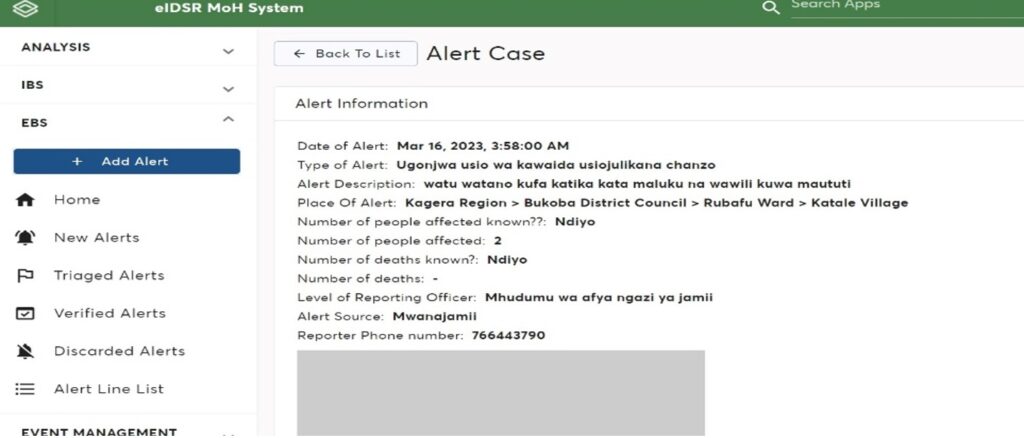
Bukoba, Tanzania — At 3 a.m. on March 16, 2023, a single message sent from Nyakalima village in Bukoba District sparked a chain of action that helped prevent a potential global health catastrophe. That message came from 37-year-old Community Health Worker (CHW) Vedastina Vedasto Shumbusho, who had received reports of strange symptoms and unexplained bleeding deaths in a nearby household.
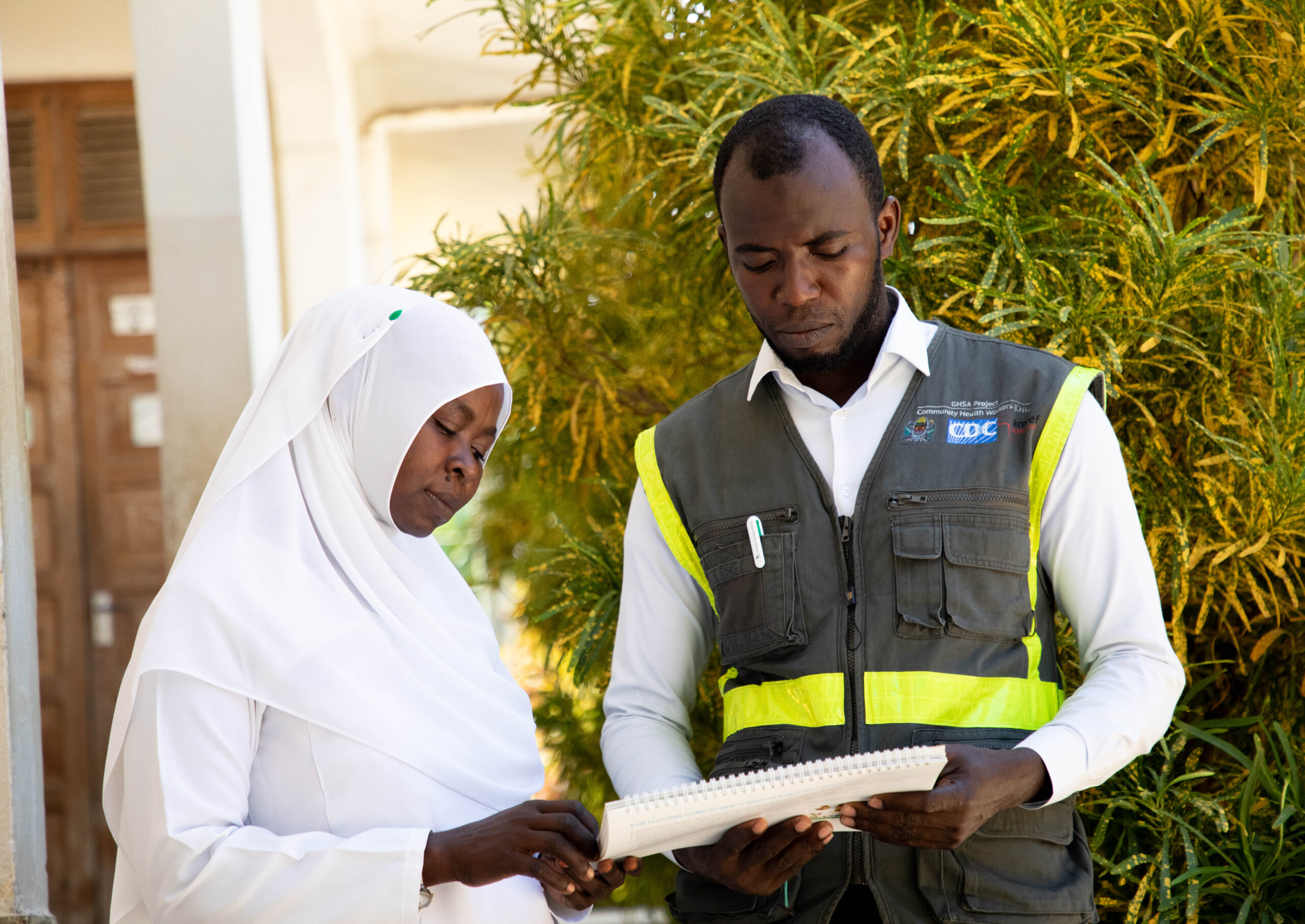
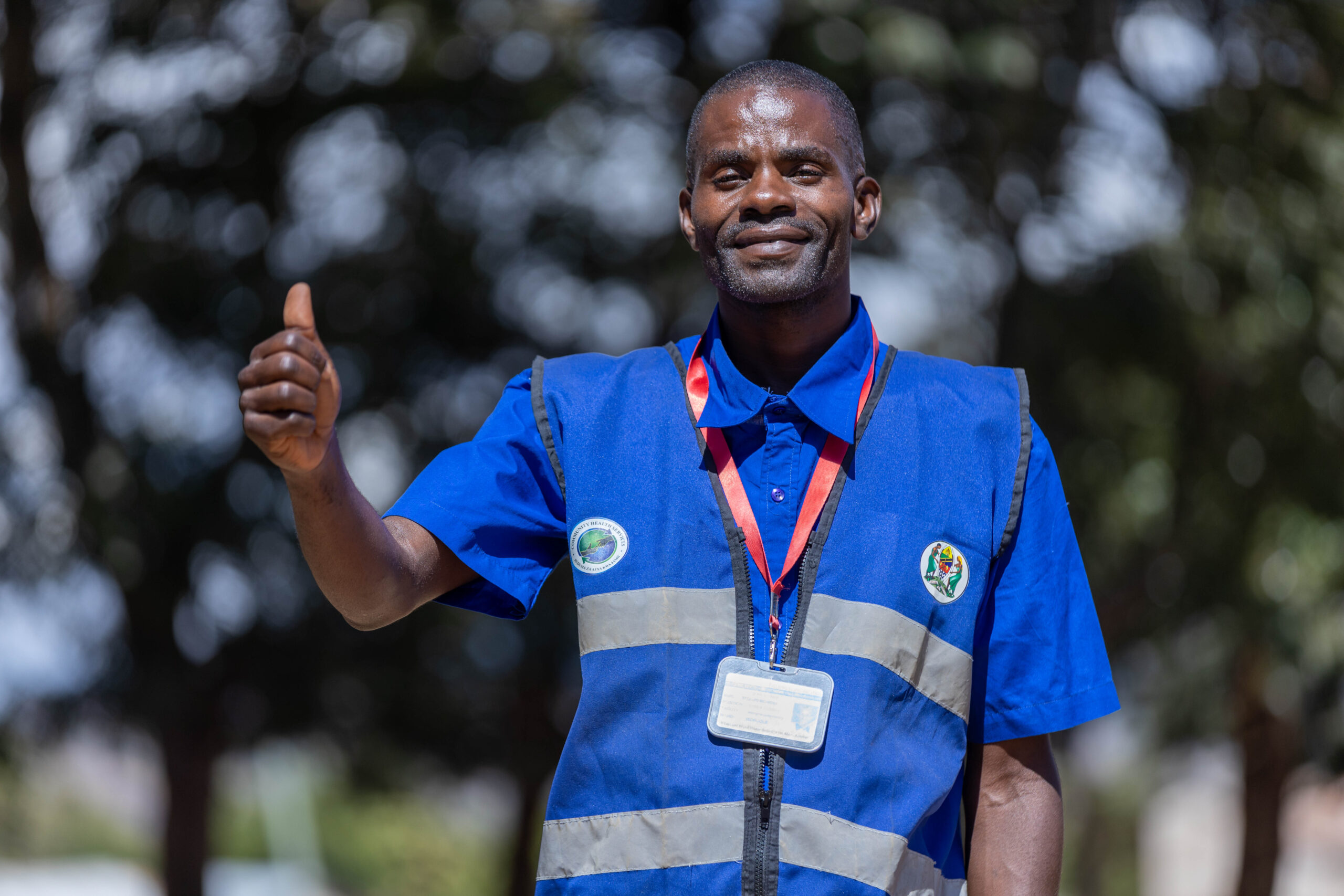
Vedastina’s quick action, alerting authorities through Tanzania’s electronic Event-Based Surveillance (eEBS) system, was not a moment of panic, but the result of training, vigilance, and trust earned within her community. She is one of nearly 250 CHWs trained by Amref Health Africa in Tanzania and the Ministry of Health under the Global Health Security Agenda (GHSA) project, supported by the U.S. CDC.
Their role is simple yet profound: to detect, connect, and report unusual health events before rumors spread, before panic sets in.
“Many in my village know me as someone who listens, who cares,” Vedastina says. “That trust allowed me to hear what others were afraid to say aloud. It’s the foundation of community health.”
How the Alert Unfolded
It began with whispers. On March 1, a man presented with fever and internal bleeding at a nearby dispensary, he, unfortunately, died soon after. Over the following days, more relatives fell ill. Another health worker across several clinics also died. Concern spread, and eventually, a motorcycle taxi driver relayed the alarming news through a WhatsApp group used by CHWs. Vedastina verified the information, filed a structured digital alert, and set in motion the national emergency response.
Thanks to her swift action, district and national health authorities mobilised rapidly. The Marburg Virus Disease (MVD) was confirmed just five days later, and within two months, the outbreak was declared over.
A System That Turns Whispers into Action
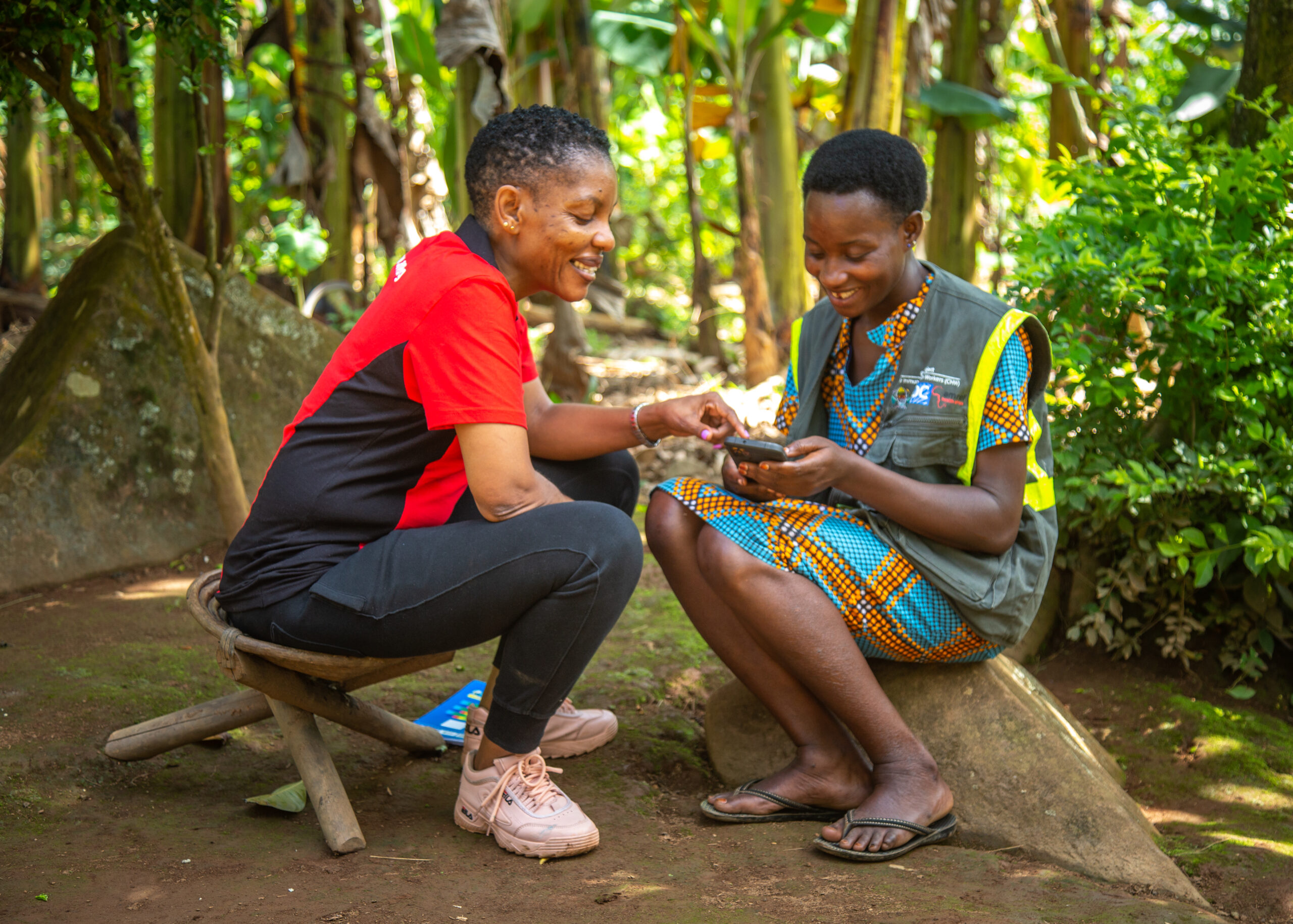
The electronic Event-Based Surveillance (eEBS) system links community observations directly to national response teams, particularly in high-risk regions like Kagera, which borders Uganda. CHWs equipped with smartphones and trained in digital surveillance transform rumours into real-time alerts. In Kagera alone, nearly 500 CHWs now operate this way. That night, she filled out a structured alert: location, symptoms, and death toll. Within hours, district and national health authorities mobilized.
“eEBS is revolutionising disease surveillance. CHWs like Vedastina turn local knowledge into lifesaving data,” says Lusungu Ngailo, Project Manager for GHSA, Amref Tanzania.
More Than a Health Worker
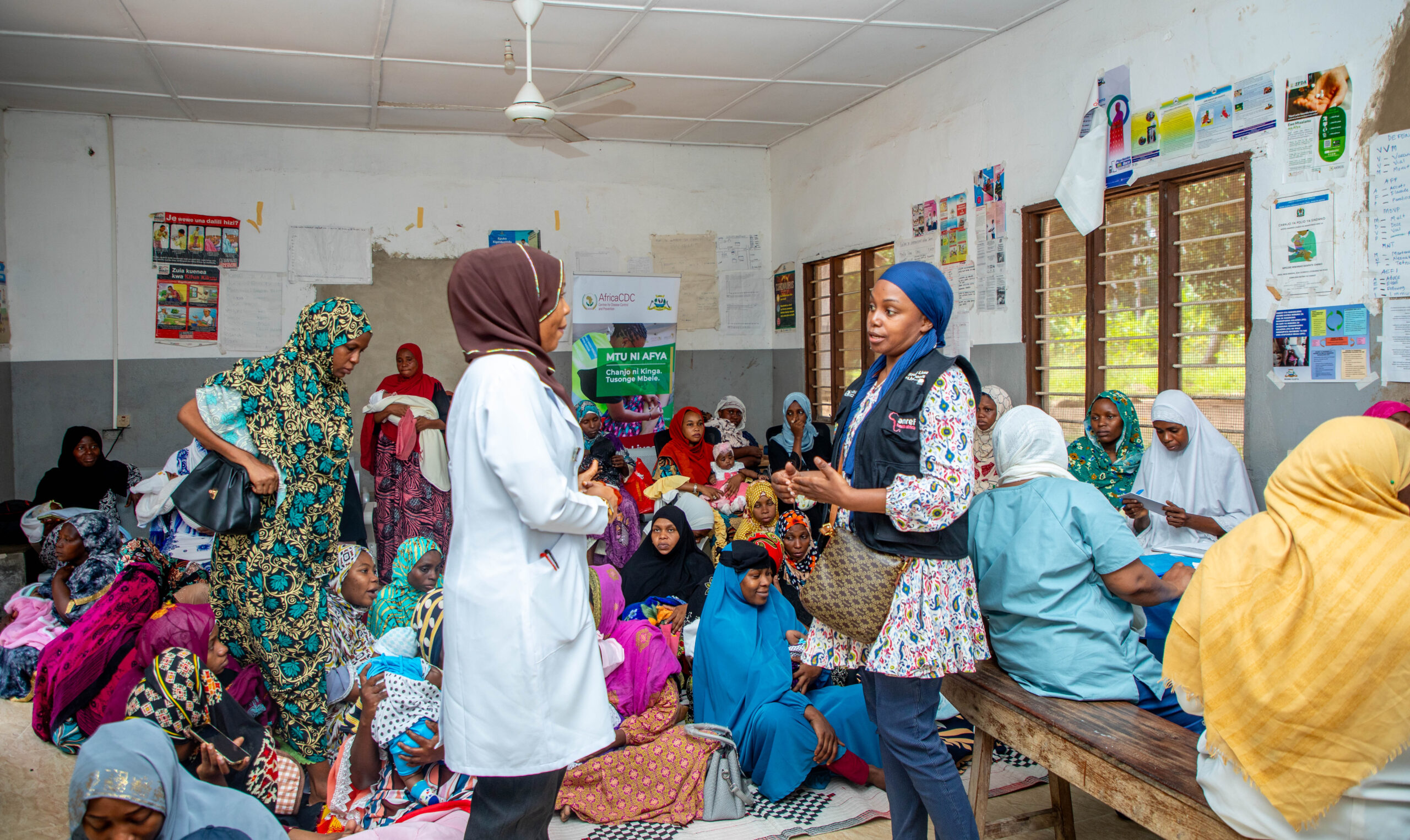
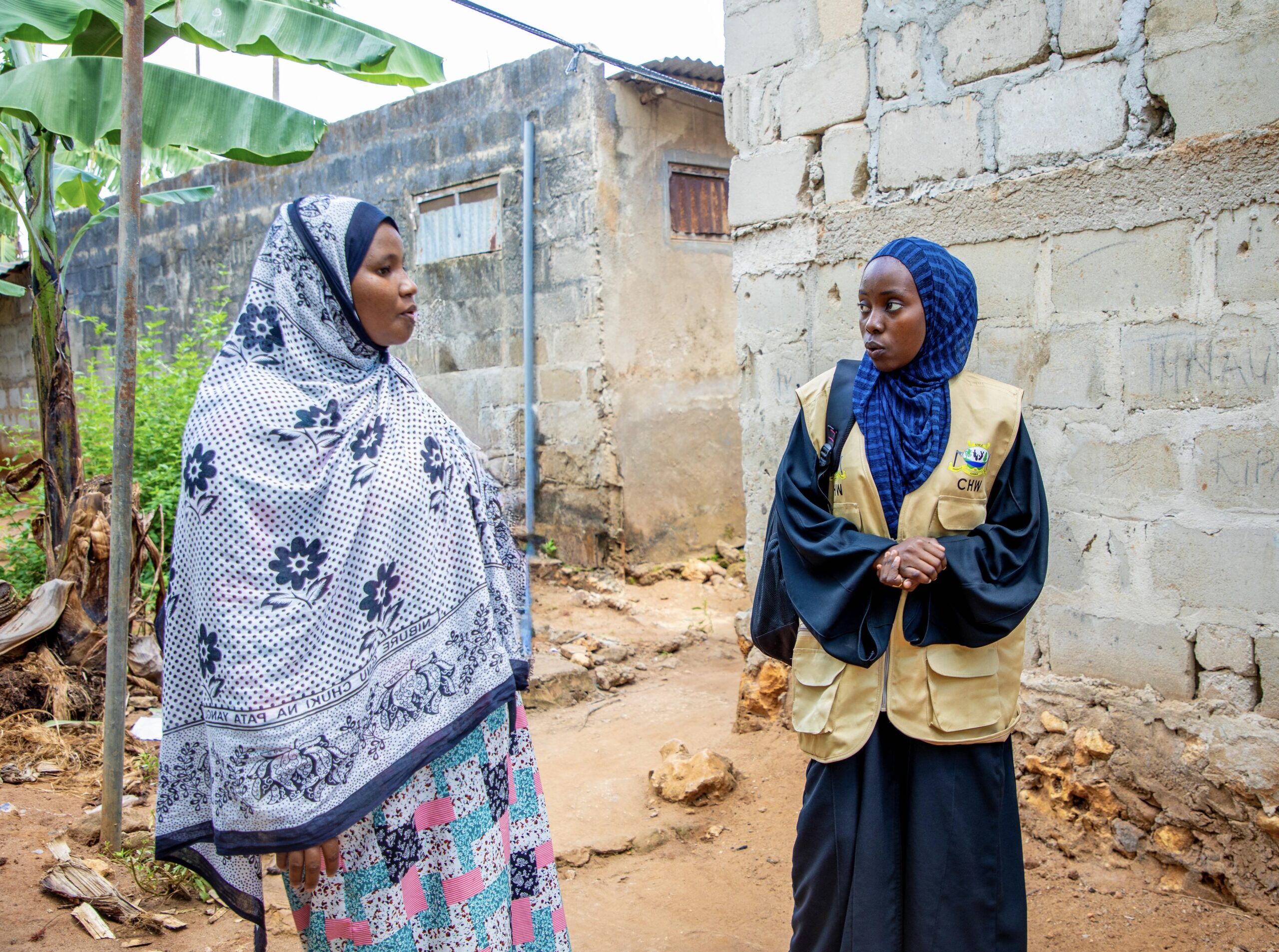
CHWs in rural Tanzania are not just health messengers, they are neighbours, trusted listeners, and cultural liaisons. Vedastina’s years of service earned her access to sensitive conversations that outsiders could not have. Her training, supported by the CDC and Amref, enabled her to act confidently when it mattered most.
“My alerts contribute to the safety of my entire community,” she reflects. “I urge my fellow CHWs to never keep vital information to themselves, reporting saves lives.”
Recognising Local Heroes
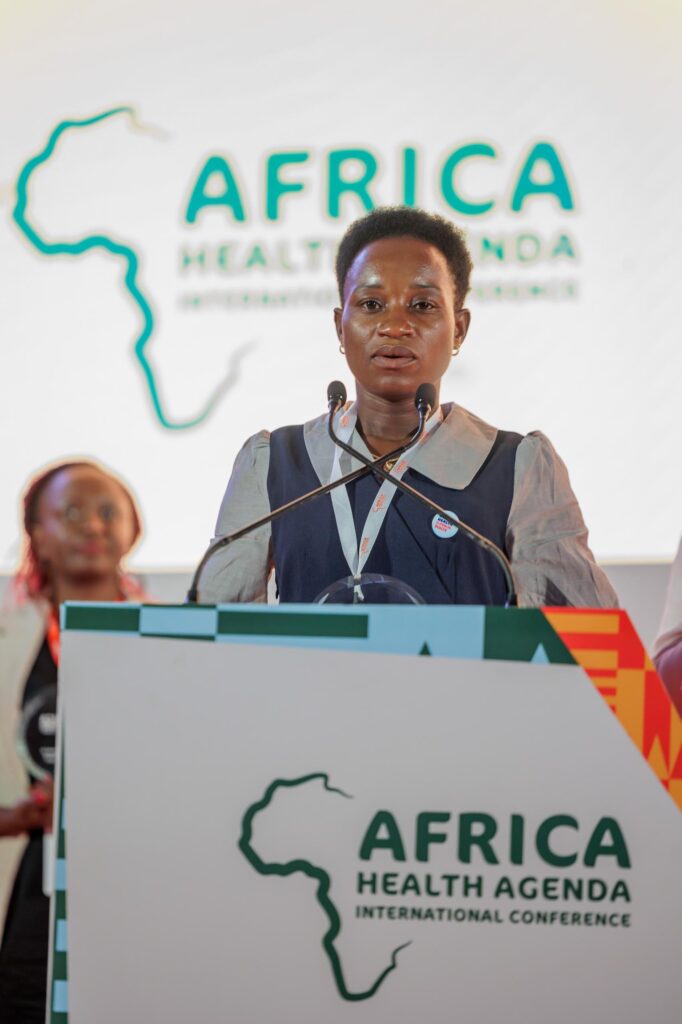
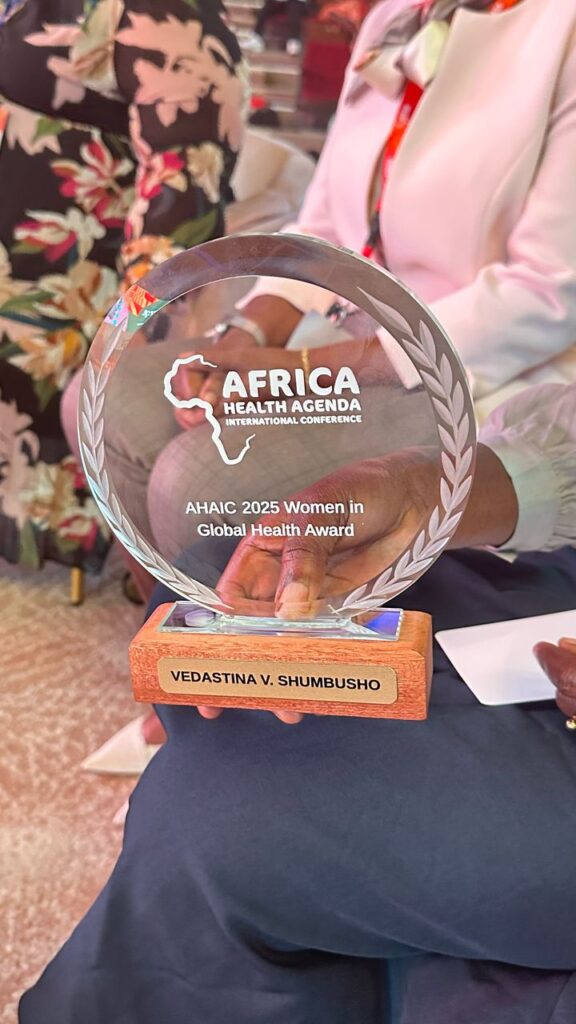
At the 2025 Africa Health Agenda International Conference (AHAIC), Vedastina received a global recognition for her role in averting the outbreak. She stood among global leaders as a symbol of how trained and trusted CHWs are the backbone of epidemic prevention.
“We are the eyes and ears of our communities. If we ignore what we hear today, we may lose thousands tomorrow,” she said during her speech at AHAIC.
Dr Samwel Laizer, Regional Medical Officer for Kagera, added:“Without Vedastina’s early report, we would be in a very different situation today. Her commitment shows the power of frontline health workers in protecting public health.”
A Model for Resilient Health Systems
Implemented by Amref in partnership with the Ministry of Health and supported by the U.S. CDC Tanzania the GHSA project (2020–2025) is building a stronger surveillance system in Tanzania’s most vulnerable border areas. By equipping CHWs like Vedastina with digital tools, mentorship, and protective gear, the project enhances the country’s ability to detect and respond to emerging threats.
Her story is not just one of individual courage, but also a testament to what’s possible when frontline workers are trained, trusted, and empowered to act. In a world where every second counts, Vedastina’s voice became the first line of defense. And it made all the difference.

Communications Specialist with 7+ years in public health and development, focused on strategic storytelling and digital engagement.
Read more: https://www.linkedin.com/in/julieth-mongi-48742610b/