Amref Health Africa, together with Plan International and local civil society organisations, and in collaboration with the Governments of Ethiopia, Kenya, and Somalia, implements Future4Binti, a five year regional programme (2026–2030) supported by the Dutch Ministry of Foreign Affairs.
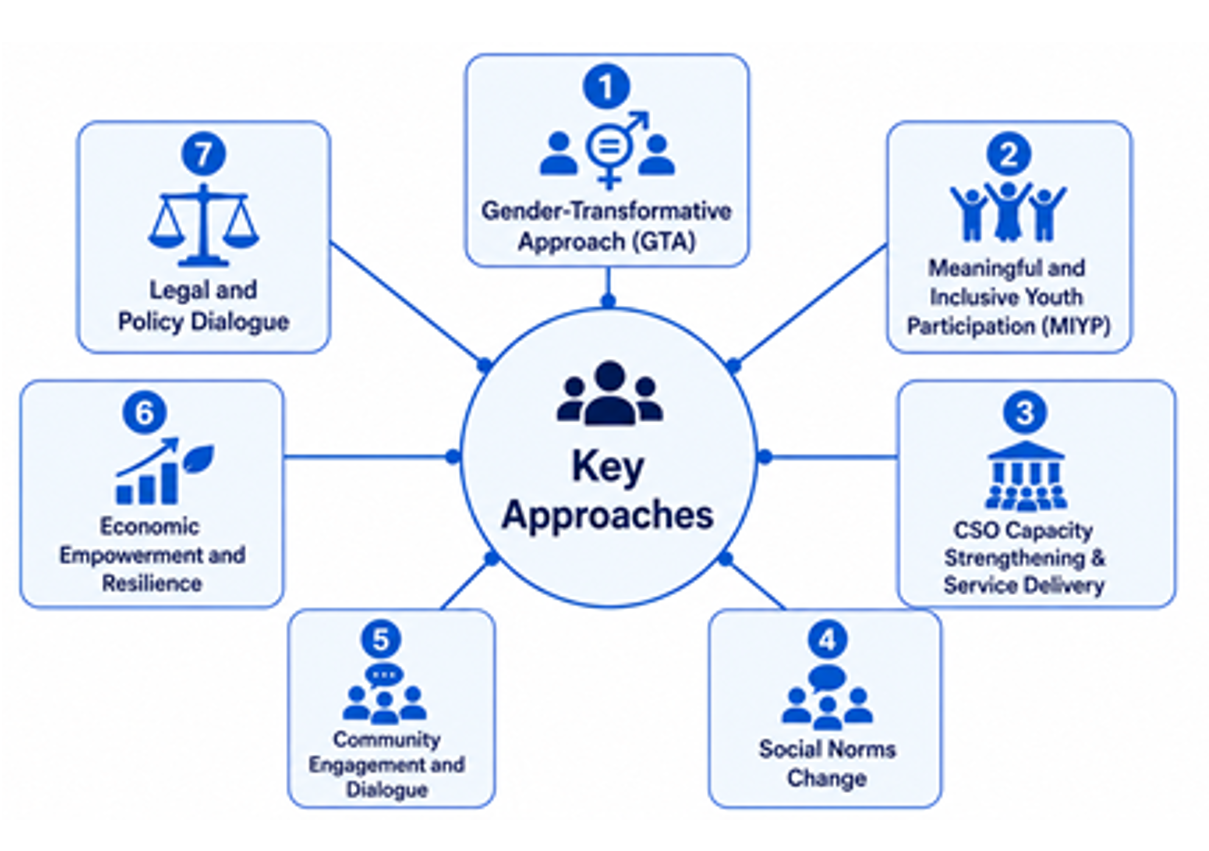
Building on proven approaches and lessons from earlier initiatives advancing girls’ rights and gender equality, Future4Binti aims to prevent and respond to female genital mutilation (FGM) and child, early and forced marriage (CEFM) by addressing the deep-rooted gender inequality and power imbalances that sustain these harmful practices.
The Project targets not only girls, but also families, communities, health systems, and national and sub national government structures.
In Ethiopia, implemented by Amref Health Africa, Plan International, and four local CSOs in Afar, Somali, Oromia, and Amhara, the Project will contribute to lasting change by shifting harmful social norms, strengthening protection mechanisms, expanding access to quality, survivor-centred health and psychosocial services, and supporting effective implementation of laws and policies that protect girls and women.
Frontline health workers and responders will be strengthened to improve prevention, identification, referral, and care, including better-coordinated reporting and referral path ways.