Navigating the Political Economy of PHC- Oriented Reforms
Lolem Ngong Chief of Staff and Acting Group Director of Programs, Amref Health Africa
From Silos to Synergy: Fostering Multisectoral Collaboration for Enhanced Primary Health Care
Misrak Makonnen Country Director for Amref Ethiopia
Resilience in the Face of Change: Strengthening Primary Health Care Systems in LMICs
Boniface Mbuthia, Technical Lead, SPARC (Strategic Purchasing Africa Resource Centre) Amref Health Africa
Roundtable Sessions
R46 - Integrated REACH Model
The Future of Primary Health Care Lies Beyond the Health Facilities: Lessons from Ethiopia’s IntegratedReach, Expand and Access Community Health Services (REACH) Model
Achieving Universal Health Coverage (UHC) requires going beyond health facilities to integrate services that address the social determinants of health. Evidence from Amref’s REACH project shows that combining Sexual and Reproductive Health (SRH), WASH, Menstrual Hygiene Management (MHM), and Nutrition within schools and communities strengthens Primary Health Care (PHC), reduces waterborne diseases and malnutrition, improves school attendance and gender equality, and enhances economic resilience. This integrated, community–school–facility approach is both cost-effective and essential for advancing UHC and the 2030 Agenda.
Hanna Hansemo, Regional Manager and WASH Advisor, Amref Ethiopia
R47 - Integrated Youth Programming
Integrated Youth Programming: Breaking Silos for Holistic Impact
This roundtable will explore how integrated youth programming can advance health, economic empowerment, and broader development outcomes within Primary Health Care. Participants will exchange evidence, lessons, and strategies to strengthen multisectoral approaches and youth engagement.
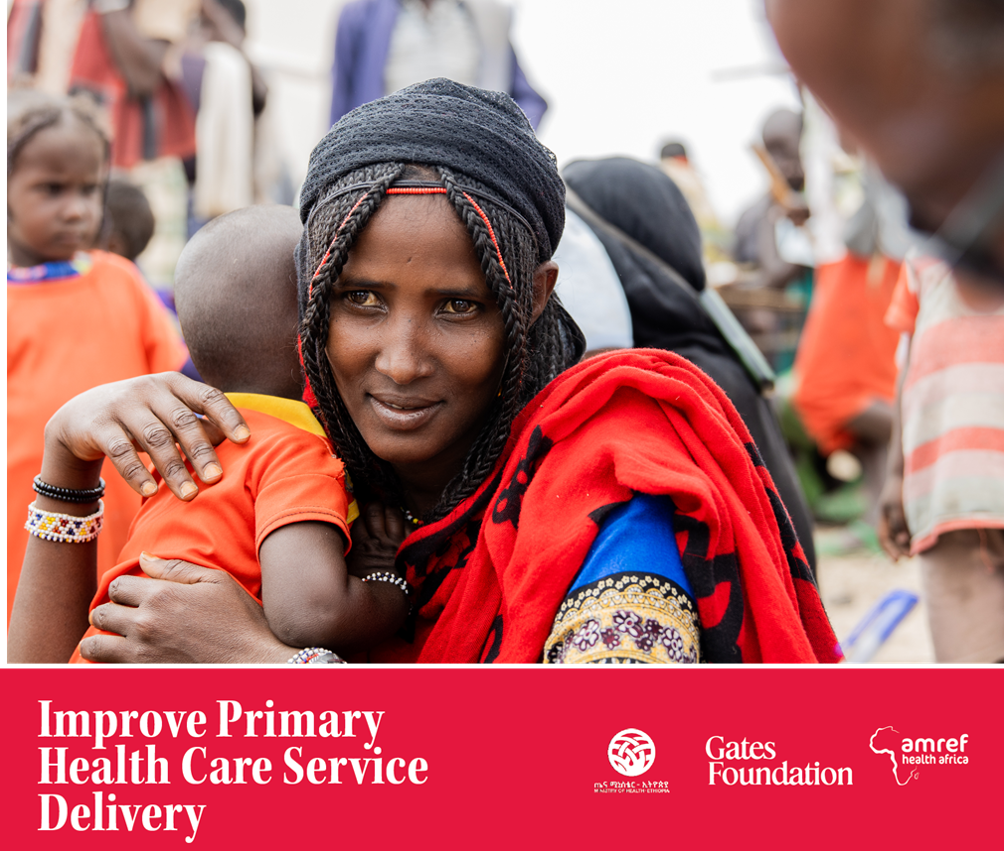
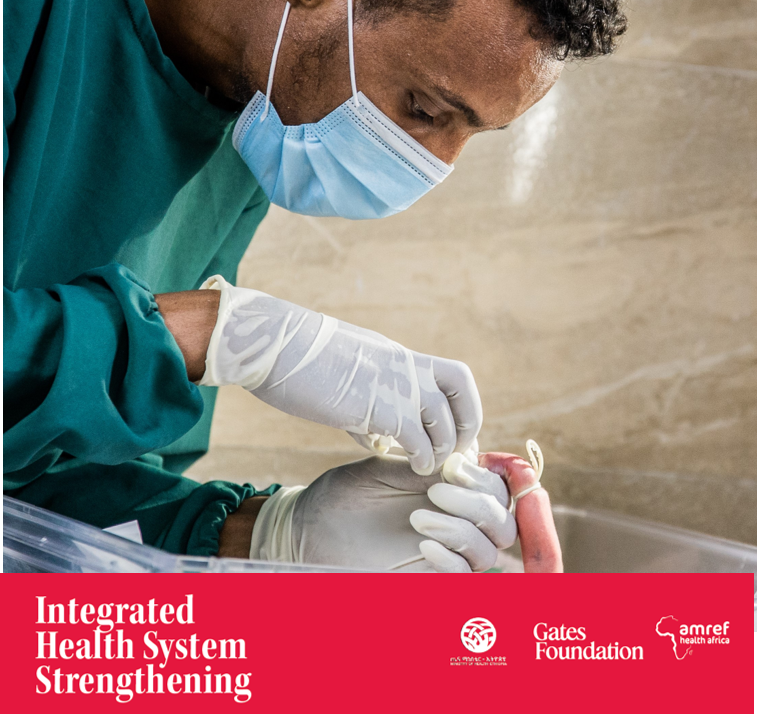
Primary Health Care (PHC) systems in Low- and Middle-Income Countries face critical gaps in readiness, performance, and resilience despite existing policy frameworks. Amref’s woreda-level assessments across five regions show wide capacity disparities, from 34% in Somali’s Degahbur to 74% in Amhara’s Antsokia Gemza highlighting persistent bottlenecks in financing, access, medicines, diagnostics, and skilled health workers. The Gates-funded Integrated Health System Strengthening (iHSS) initiative, now in 15 districts, applies Health Technology Assessment and Multi-Criteria Decision Analysis to pinpoint the most impactful and cost-effective investments. Lessons from this “live learning board” will guide the repackaging of interventions for scale-up to 35 additional districts. This roundtable will explore how to move from fragmented pilots to systematic, sustainable expansion balancing evidence and flexibility to truly advance PHC in the 21st century.
Dr Lisanu Taddesse, Technical Director, iHSS Project, Amref Ethiopia
R49 – HEP Optimization (Pastoralist)
Health Extension Program Optimization: Lessons of IPCHSD project from challenging Pastoralist area of Ethiopia
The Health Extension Program Optimization Roadmap (2020- 2035) was launched to address the social determinants and epidemiologic shifts of Ethiopia. However, the pastoralist communities are challenged by unique social constructs and norms like seasonal mobility and patriarchal decision power they face specific challenges. In addition, these health and health related challenges like external climatic changes, local conflict, and occurrence of frequent disease outbreaks. In line with ICPHC 2025 theme “Advancing Primary Health Care in the 21st Century: Putting People First, the Improve Primary Health Care Service Delivery Project in close collaboration with Ministry of Health and Regional Health Bureaus designed and implemented pastoralist community tailored Health Extension Program Optimization.
Dr Mesele Damte, Technical Director, IPHC Project, Amref Ethiopia
R50 – Tech for HRH
Harnessing Technology to Build Competent Human Resources for Health
A skilled and motivated health workforce is the backbone of strong primary health care. Yet many low and middle-income countries face persistent shortages and uneven distribution of health workers. Pre-service education often lacks sufficient exposure to new technologies, while in-service education struggles to keep pace with evolving health needs. The World Health Organization projects a global shortfall of 12.9 million health professionals by 2035, underscoring the urgency of innovative solutions.Technology offers a powerful opportunity to strengthen competencies across the continuum of learning-supporting students in pre-service training, and frontline providers through ongoing in-service education. From digital classrooms to mobile learning platforms, these tools can extend training reach, improve quality, and help sustain lifelong learning. This roundtable will explore how digital innovation can transform HRH capacity to better serve communities.
Bekalu Assaminew, Digital Learning Technical Lead, Amref Ethiopia
R51 – Primary Health Care Acceleration Bundle
Strengthening primary health care (PHC) is no longer an option but an imperative for Africa’s future. PHC extends far beyond health facilities—it sits at the crossroads of education, agriculture, water, finance, and governance, shaping community well-being and driving sustainable development. Yet, fragmented interventions, resource inefficiencies, and siloed approaches continue to constrain impact. This session will examine how integrated, people-centered PHC can address these challenges and why multisectoral engagement is essential for building resilient and equitable systems.Amref Health Africa introduces the PHC Accelerator Bundle as a system-level response, anchored on four high-impact levers: Community Care Connect, Sustainable Health Financing, Adaptive PHC Leadership, and Multisectoral Data Insights. By moving from scattered pilots to nationally owned, scalable solutions, the bundle reflects the ICPHC 2025 theme—“Advancing Primary Health Care in the 21st Century”
Charlotte Muheki, Technical Director for Primary Health Care, Amref Health Africa
Concurrent Sessions
Catch-up Vaccination
From Zero to Protected: Ethiopia’s Bold Catch-Up Vaccination Drive in Primary Healthcare.
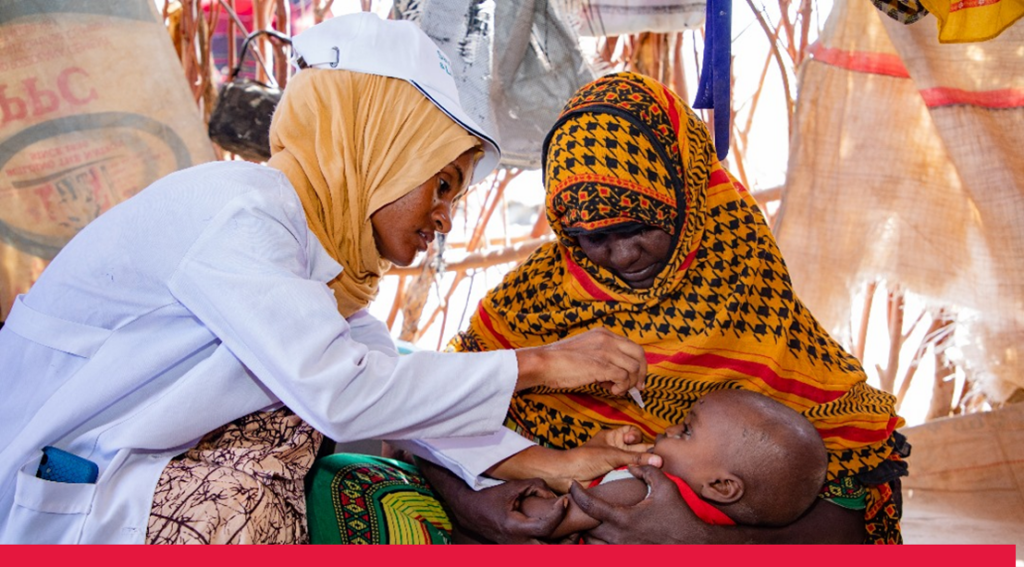
Ethiopia has launched an ambitious catch-up vaccination campaign to close immunity gaps and strengthen PHC service delivery. This initiative seeks to reach zero-dose and under-immunized children while embedding vaccination in broader PHC strengthening.This session will focus on Ethiopia’s Integrated Catch-Up Vaccination Program (since 2022), specifically the “BIG Catch-Up,” which aims to address zero-dose and under-immunized children by integrating multiple services at the Primary Health Care (PHC) level. The discussion will cover the country’s strategies, implementation approaches, and measured outcomes related to these efforts. A core theme is analyzing how Ethiopia has successfully optimized the efficiency and impact of this integrated program, which targets various antigens and population groups within a unified operational framework, while also contextualizing these achievements against the current global immunization landscape.
Dr Michael Tarekegn, SLL Project Manager, Amref Ethiopia (in partnership with Africa CDC)
HEP Innovations
Packaging HEP Optimization Strategies and Innovations to Accelerate National and Sub-National Efforts to Strengthen PHC in Ethiopia
Ethiopia has made commendable progress in maternal and newborn health (MNH), yet high rates of preventable mortality persist, particularly in remote and underserved areas. Key challenges include limited access in pastoralist regions, low coverage of essential interventions, fragmented referral systems, and variable quality of care. This panel presents findings and results of national HEP Optimization implementation and lessons from three years implementation research of Improve Primary Health Care service delivery Project in Ethiopia. The research initiatives conducted in collaboration with JSI, Amref, MERQ Consultancy, and the Ministry of Health. These efforts address critical barriers through implementing access to and utilization of essential health services through restructuring health posts, providing mobile health services, exercising innovative community-based MNH service delivery, and systems-level intervention such as Combined Quality Improvement (QI) and Networks of Care (NoCs).
Dr Mesele Damte & Dr Lisanu Taddesse, Technical Directors, Amref Ethiopia
Mental Health and GBV
Breaking the Silence: Integrating Mental Health and SGBV Services at Primary Health Care Level
Mental health and psychosocial support (MHPSS) services remain underdeveloped in many low- and middle-income countries, leaving millions—especially youth—without access to counseling, diagnosis, or referral at the Primary Health Care (PHC) level. At the same time, survivors of sexual and gender-based violence (SGBV) often experience trauma, depression, and social stigma that are left unaddressed due to fragmented services.This side session will examine how PHC systems can shift toward holistic, survivor- and people-centered care, where communities and especially young people can access integrated MHPSS and SGBV support at the first level of contact. Drawing from research, policy, and practical field experiences the discussion will explore opportunities, barriers, and pathways for embedding integrated models into PHC to deliver dignified, timely, and effective care.
Bilen Mengistu, Senior RMNCAYH Program Coordinator, Amref Ethiopia
SDG- 3 Acceleration
Ethiopia’s Progress and Acceleration Efforts Towards SDG-3
As Ethiopia embarks on its rebuilding and revitalization efforts, there is a critical need to adopt data-driven, strategically focused, and innovative approaches to enhance the Ministry of Health’s performance in key areas, thereby accelerating progress toward achieving the SDG-3 targets by 2030. Amref Health Africa takes the lead in coordinating and driving the technical efforts to comprehensively assess Ethiopia’s progress towards SDG-3 indicators. This session will examine Ethiopia’s journey towards achieving Sustainable Development Goal 3 (Good Health and Well-Being), with a strong focus on safeguarding gains in maternal, child, and public health. It will highlight strategies for strengthening Primary Health Care (PHC) as the foundation for achieving universal health coverage and building a resilient health system.
Dr Addis Tamire, Senior Director, IHSS & Dr Yared Abera, Amref Ethiopia
Workshop
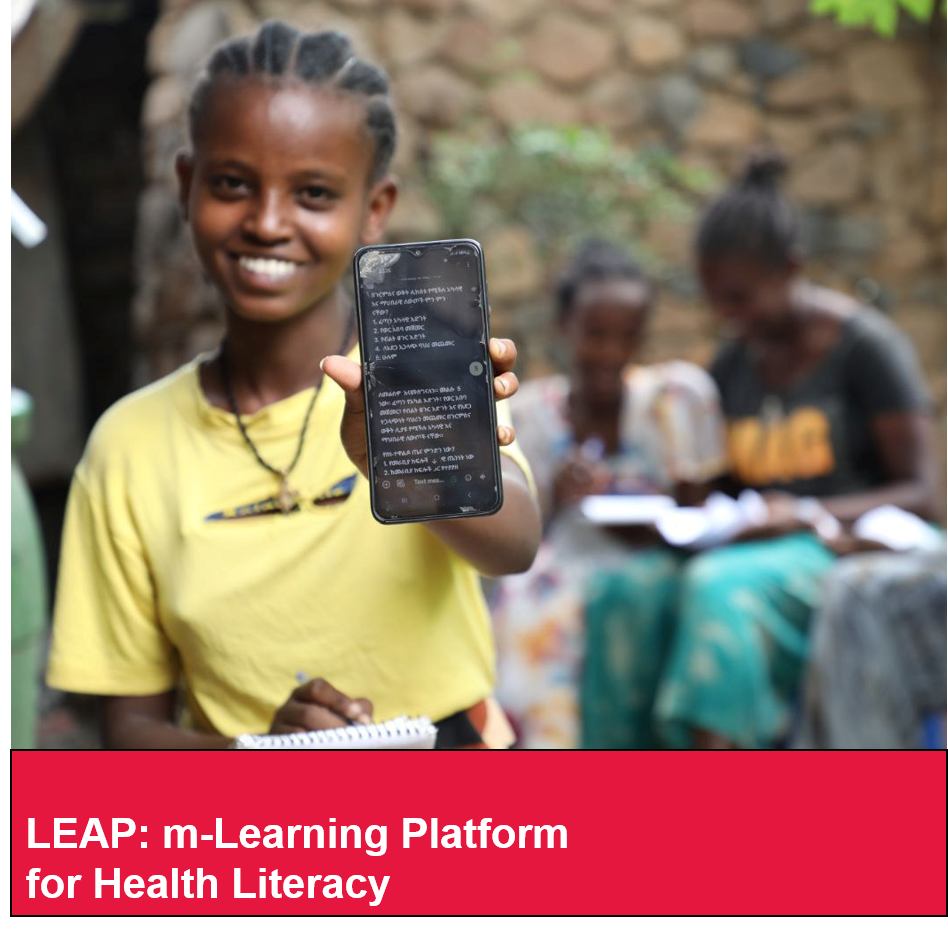
Strengthening Frontline Knowledge with Leap: The M-Learning Digital Platform for Health Literacy
This workshop introduces the Leap mobile learning platform, developed by Amref Health Africa in collaboration with the Ministry of Health, to address critical knowledge gaps among frontline health workers. In alignment with Ethiopia’s Human Resources for Health Strategy, Leap supports continuous professional development and upskilling through innovative, accessible digital solutions. By leveraging mobile-based learning, the platform empowers health workers with timely, competency-based training, ensuring they are better equipped to respond to evolving health system needs and to deliver people-centered primary healthcare. Since 2020, Leap has trained over 35,000 Health Extension Workers (HEWs) and expanded to include modules on COVID-19, RMNCAYH-N, Adolescent and Youth Health, and Community Health Leaders (CHLs). The session will provide hands-on engagement, share achievements, highlight challenges, and include a practical demonstration of how to access Leap using both basic and smart mobile phones.
Bekalu Assaminew, Digital learning technical lead, Amref Ethiopia