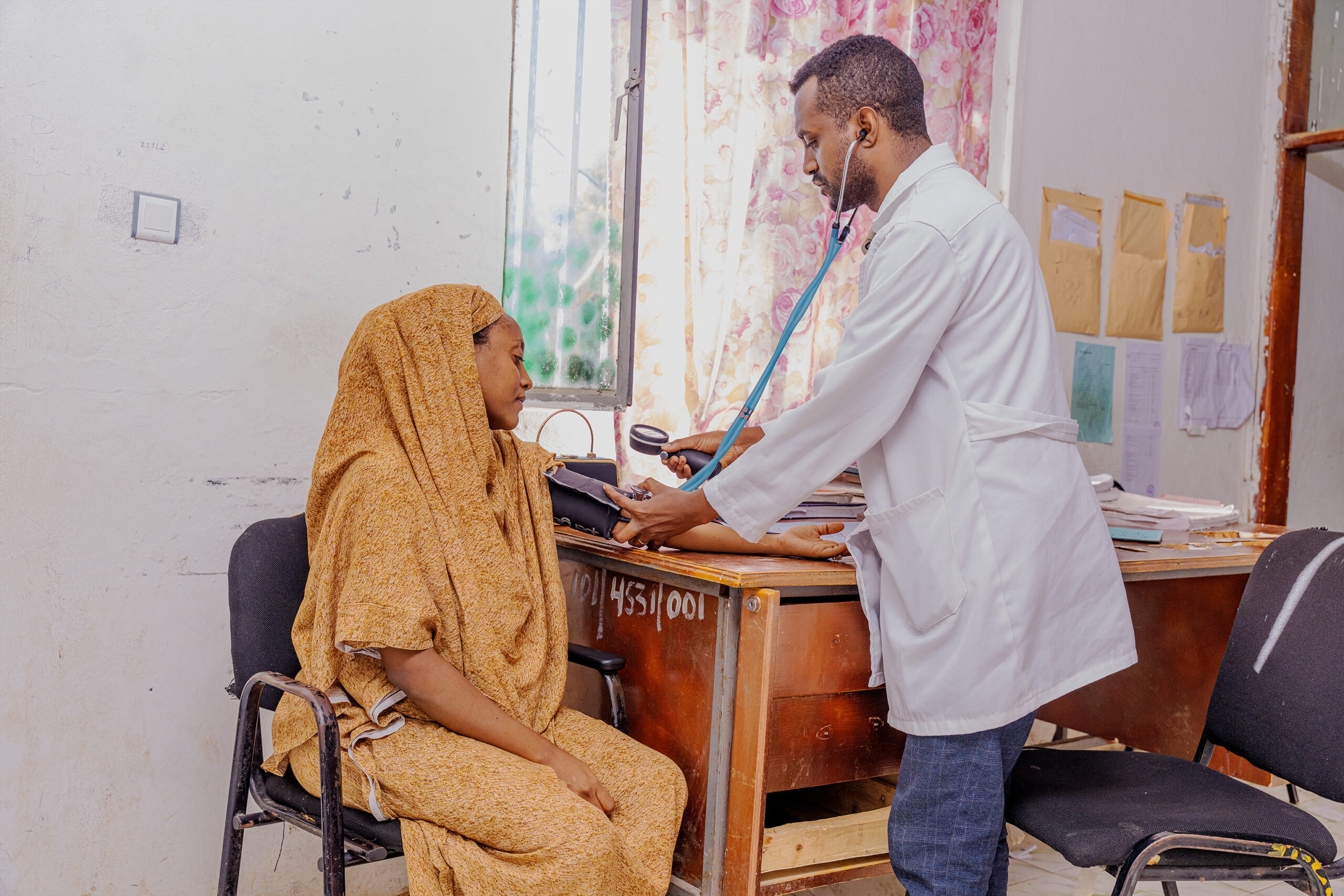
Ethiopia faces a rapidly growing burden of cardiometabolic diseases alongside communicable diseases, other non-communicable diseases, mental health conditions and injuries.
Led by Amref Health Africa with support from the Novo Nordisk Foundation, the PEP Ethiopia Project will strengthen pre-service and continuing education on cardiometabolic diseases. It will support nursing, medical and public health institutions through faculty development, improved primary healthcare teaching, digital learning and upgraded simulation laboratories. Over time, a hub-and-spoke network of Centres of Excellence will mentor surrounding institutions. By improving the quality of CMD education, the project aims to equip more health professionals with the skills needed to deliver effective prevention and care, particularly for vulnerable communities.
The project aims to strengthen institutional capacity for cardiometabolic disease education and research, with particular attention to advancing the professional capabilities of female health workers. It will:
Competency-based education: A training and institutional capacity needs assessment will identify gaps in curricula, faculty skills, simulation facilities, digital learning and gender equity. The findings will guide curriculum updates, priority CMD modules, faculty development and the establishment of Centres of Excellence.
Hub-and-spoke delivery model: Three Centres of Excellence will each support three to four colleges or universities. The hubs will lead curriculum improvement, training, quality assurance, digital learning and research support, while partner institutions will deliver the updated courses, operate skills laboratories and provide learner data and feedback.
Gender-responsive implementation: Gender analysis and sex-disaggregated data will guide women-focused mentorship, research opportunities, safeguarding measures and scholarship support, with technical guidance from Amref’s Gender Advisor.
Amref Health Africa will lead project implementation under the guidance of the Ministry of Health and the Ministry of Education. It brings extensive experience in national health workforce programmes and digital learning, including the LEAP mobile learning platform, which has trained more than 35,000 Health Extension Workers.
All learning modules will integrate non-discrimination, safeguarding and gender equity as core learning outcomes.
The project will also promote international knowledge exchange through:
These partnerships will support curriculum development, joint learning, academic co-supervision and innovation.